Free shipping for international orders over $100
Asia’s No.1 Professional Chemical Peel Brand
Track Order | 143,909 Visits
SEPTEMBER SPECIAL OFFER – GET 10% OFF ALL KIAEVA PEELS
Popular Searches
  • Peel Pads
  • Salicylic Peels
  • TCA Peels
Top Categories
  • Glycolic Peels
  • Lactic Peels
  • Mandelic Peel

Menu

Your Cart

No products in the cart.

TCA Peel vs Glycolic Acid: Finding Your Best Skin Treatment

Navigating the landscape of professional skin resurfacing requires a clear understanding of the modalities available. When evaluating tca peel vs glycolic acid, you are comparing two distinct chemical approaches to skin rejuvenation. Both treatments offer proven pathways to a refined complexion, yet they operate on different biological levels. By aligning the chemical properties of these acids with your specific skin concerns, you can make an informed decision that yields professional-grade results. Explore our professional range of peels to identify the formulations best suited to your current skincare objectives.

Understanding Glycolic Acid Results

Glycolic acid, a prominent member of the alpha-hydroxy acid (AHA) family derived from sugar cane, is the industry standard for superficial exfoliation. Due to its small molecular size, it possesses the unique ability to rapidly penetrate the stratum corneum, effectively dissolving the intracellular bonds that hold dead skin cells together.

This process facilitates an immediate improvement in surface radiance. Glycolic acid is highly regarded for its efficacy in addressing:

  • Dullness and lack of luminosity
  • Mild photodamage
  • Uneven skin texture
  • Congested or enlarged pores

As a versatile exfoliant, glycolic acid is frequently recommended as an entry point for those beginning their journey with professional-grade chemical peels.
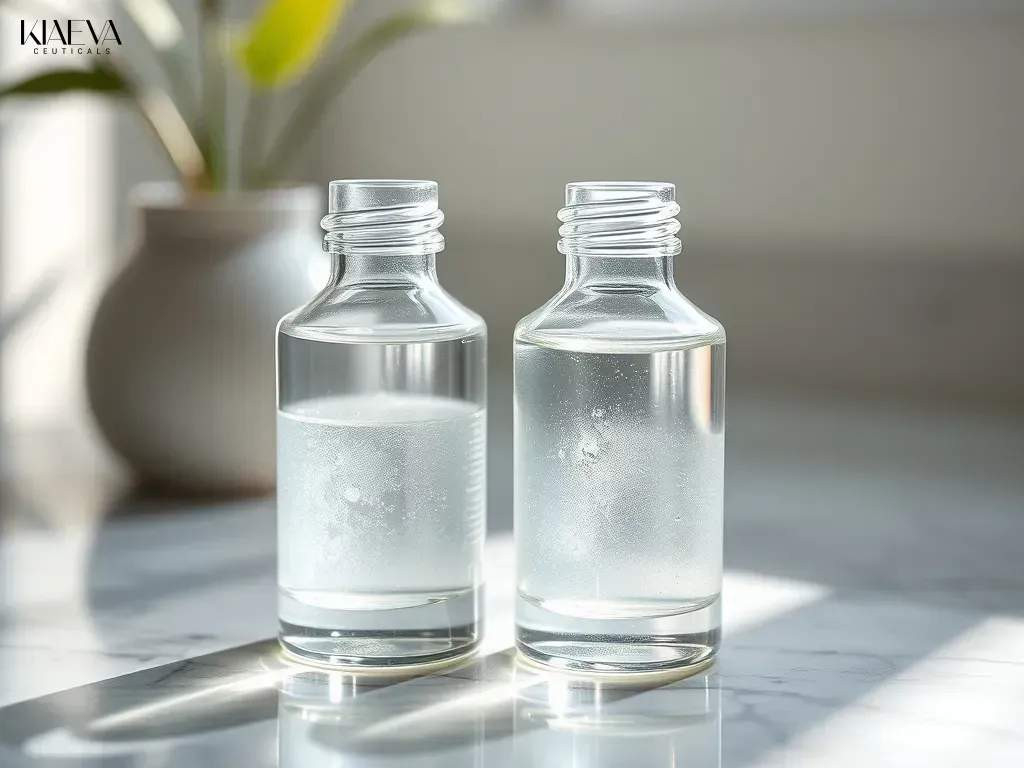
Two glass cosmetic vials containing chemical peel solutions on a marble surface, representing a comparison between TCA and glycolic acid treatments.

Why People Choose Glycolic Peels

The primary advantage of a glycolic peel is its ability to deliver significant brightening effects with minimal downtime. It promotes accelerated cellular turnover without the intensive recovery period required by deeper modalities. According to the American Academy of Dermatology, these superficial peels are effective for managing mild acne and fine lines. By removing surface debris, these peels enhance the penetration of subsequent hydrating serums and anti-aging topicals, making them an essential component of a high-performance maintenance routine.
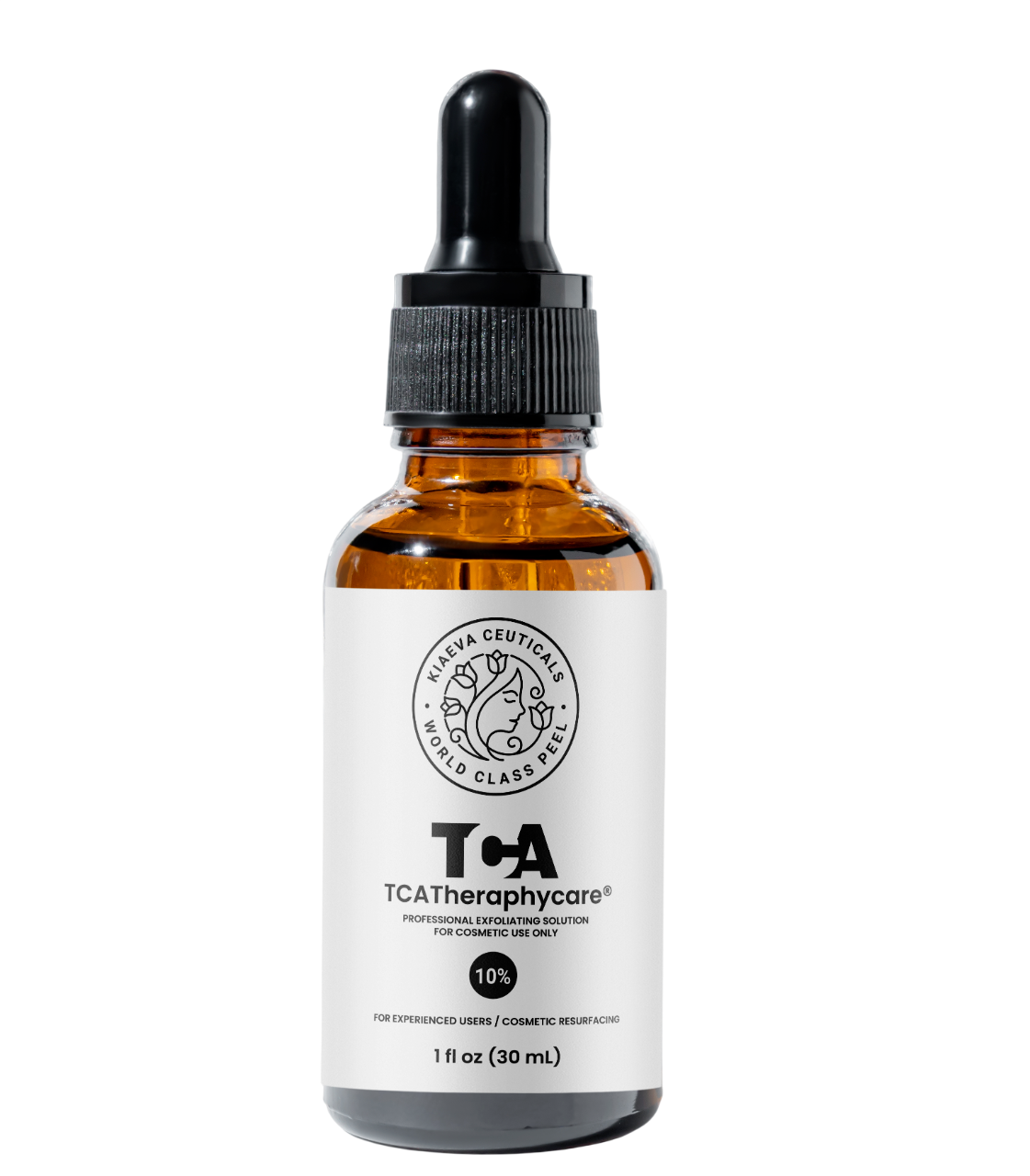
 

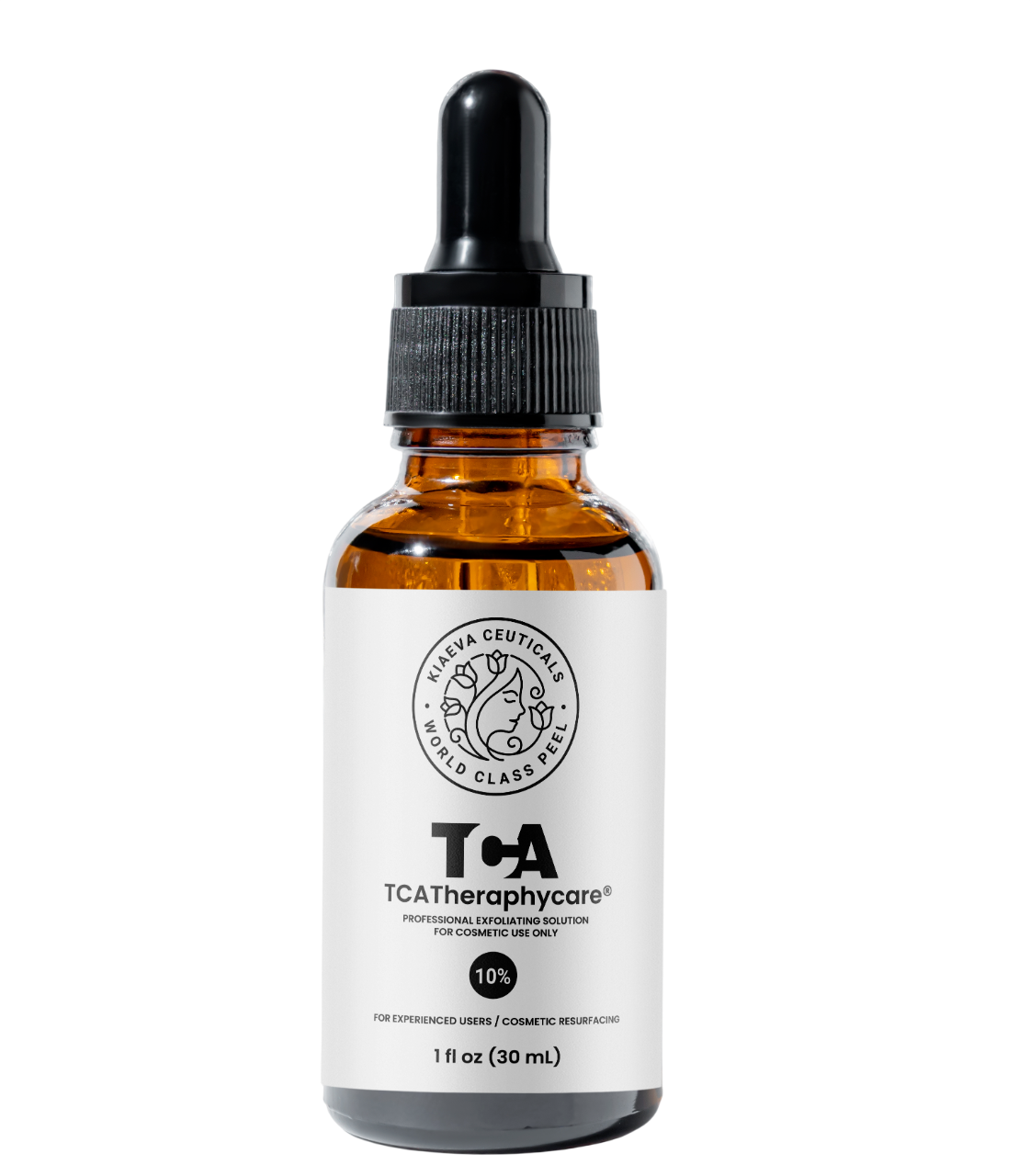
TCA 10% Trichloroacetic Acid Chemical Skin Peel To Remove Acne And Fade Acne Marks,1oz/30ml


Exploring TCA Peel Benefits

Trichloroacetic acid (TCA) functions as a medium-depth chemical peel, providing a more intensive approach to skin remodeling. Unlike superficial acids, TCA interacts with the deeper protein layers of the epidermis and papillary dermis, triggering a robust regenerative response.

The primary TCA peel benefits include:

  • Correction of deep-set wrinkles and fine lines
  • Improvement of atrophic acne scarring
  • Correction of stubborn hyperpigmentation
  • Enhanced skin firmness and structural density

Because TCA induces a more significant biological change, it necessitates a longer recovery period during which the skin undergoes a controlled shedding process. When administered with proper preparation and aftercare, it remains a gold standard for addressing moderate-to-severe skin damage.

Chemical Peel Comparison and Anti-Aging Goals

When choosing between these treatments, your aesthetic objective is the deciding factor. Glycolic acid is the superior choice for surface-level brightening and maintenance. In contrast, TCA is the preferred treatment for structural anti-aging and correcting significant cellular damage.

TCA stimulates collagen synthesis, which is critical for restoring the elasticity and thickness often lost during the aging process. The National Center for Biotechnology Information underscores that chemical peels are a foundational element of long-term skin rejuvenation. Selecting the “best” peel for anti-aging requires a professional assessment of your skin barrier and the depth of the concerns you wish to address.

Factors Influencing Your Choice

The decision-making process should be dictated by your skin type, your tolerance for recovery, and your clinical goals.

FeatureGlycolic AcidTCA Peel
DepthSuperficialMedium
Primary GoalBrightening & TextureResurfacing & Remodeling
DowntimeMinimalModerate (Flaking/Peeling)
Best ForMaintenance & DullnessScarring & Deep Wrinkles

If you are new to professional peels, beginning with a lower concentration of glycolic acid is advisable. Conversely, if your skin has plateaued with lighter treatments, moving to a TCA regimen may provide the breakthrough necessary for visible improvement. Regardless of your choice, rigorous UV protection is non-negotiable; post-peel skin is highly susceptible to solar damage, and daily broad-spectrum sunscreen is mandatory.
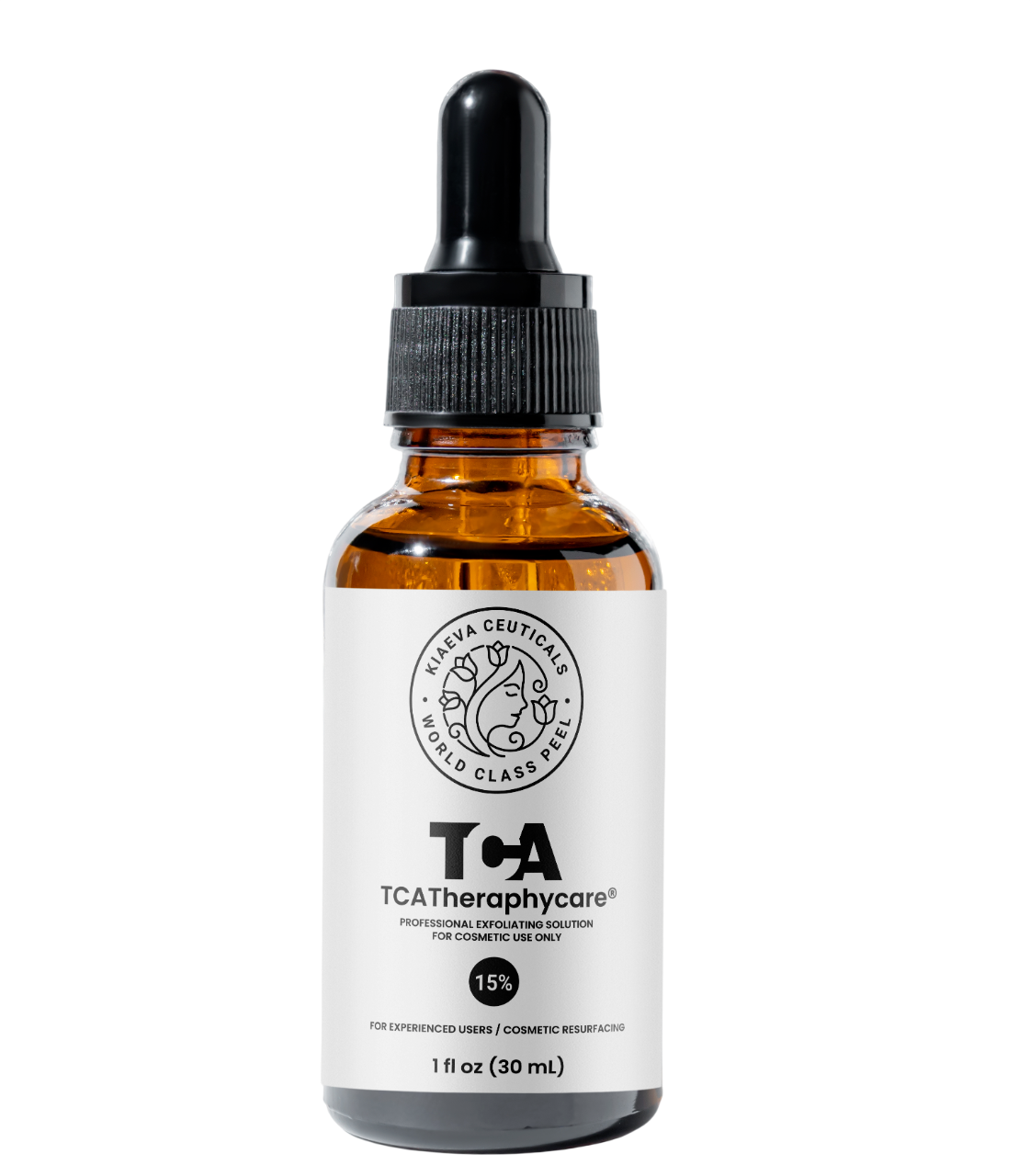
TCA 15% Trichloroacetic Acid Chemical Skin Peel To Remove Acne And Fade Acne Marks,1oz/30ml


Managing Expectations and Recovery

Strategic recovery management is essential. A glycolic peel may present mild, transient redness that resolves within hours. A TCA peel, however, involves a period of visible peeling as the skin initiates its renewal cycle.

During the recovery phase, prioritize a minimalist skincare approach:

  • Utilize gentle, non-irritating cleansers.
  • Maintain deep hydration with barrier-repairing moisturizers.
  • Discontinue the use of retinoids and harsh exfoliants until the skin has fully re-epithelialized.

Adhering to these protocols ensures optimal results and minimizes the risk of irritation or post-inflammatory hyperpigmentation.

Conclusion and Professional Guidance

Achieving professional-grade results requires a discerning approach to your specific skin requirements. Whether you utilize the immediate brightening power of glycolic acid or the structural, corrective potential of a TCA peel, both represent effective tools for long-term skin health. By understanding the nuances of intensity and recovery, you can tailor a regimen that meets your aesthetic goals with precision. Select your treatment with confidence, prioritize consistency, and always listen to your skin’s unique feedback.

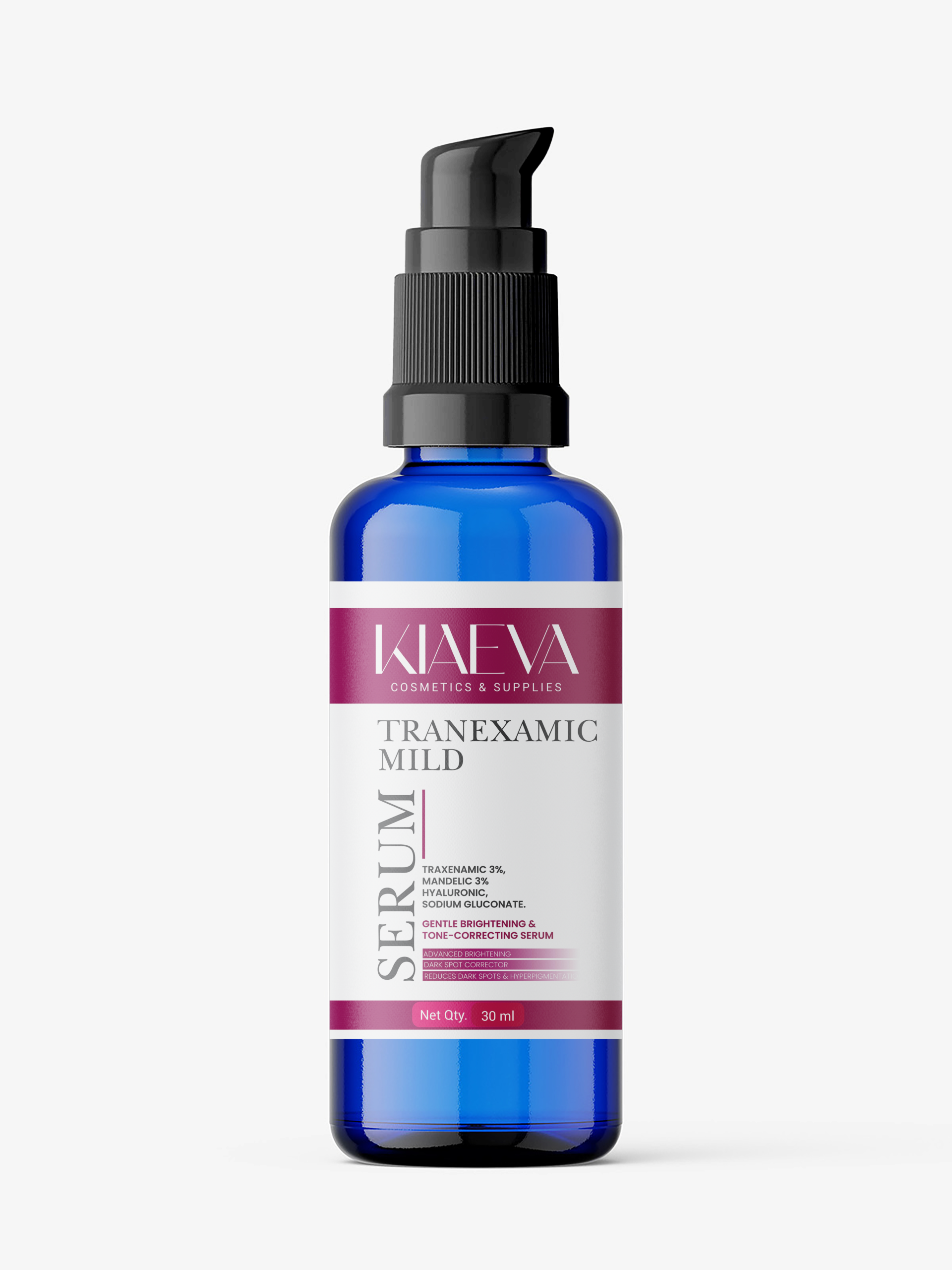
Tranexamic Acid for Skin: Brightening Post-Peel Results

Using tranexamic acid for skin has become a gold standard for those seeking to enhance their complexion after professional chemical peel treatments. When you invest in a professional peel, your skin enters a delicate recovery phase where it is highly receptive to targeted active ingredients. Incorporating the right serums can significantly boost your results, particularly when you are focusing on brightening dark spots and evening out overall skin tone. By pairing high-quality ingredients, you can maximize your glow and ensure long-term skin health.

The Role of Tranexamic Acid in Modern Skincare

A close-up of a woman with radiant, clear skin after a professional chemical peel treatment, highlighting a smooth and bright complexion.

Tranexamic acid for skin works by inhibiting the production of melanin, which is the primary pigment responsible for discoloration. Unlike some harsh lightening agents, it is remarkably gentle yet effective at addressing hyperpigmentation. This ingredient is particularly celebrated for its ability to calm the skin while simultaneously reducing the appearance of stubborn marks. Whether you are dealing with sun damage or post-inflammatory hyperpigmentation, this compound offers a sophisticated solution that fits perfectly into a post-peel recovery routine.

Furthermore, the science behind this ingredient is robust. According to the American Academy of Dermatology, managing pigment production requires a multi-faceted approach. Tranexamic acid interrupts the pathways that signal skin cells to produce excess melanin. Consequently, it is an essential tool for anyone serious about correcting tone irregularities through professional-grade skincare solutions.

Synergistic Benefits of Niacinamide Serum

When discussing brightening dark spots, we must mention niacinamide serum benefits. Niacinamide, or Vitamin B3, is a powerhouse ingredient that strengthens the skin barrier and improves texture. When combined with tranexamic acid, it creates a formidable duo for skin rejuvenation. This synergy allows for a more comprehensive treatment of the skin, ensuring it remains hydrated while undergoing the brightening process.

Why Combine Ingredients?

Combining ingredients like niacinamide and tranexamic acid allows for a balanced approach to skin care. For example, while one ingredient focuses on inhibiting pigment, the other works to soothe and repair the surface. Therefore, the overall irritation level remains low, which is crucial after a chemical peel. Many users find that this combination provides faster and more consistent results than using a single active ingredient alone. You can find more information about our professional chemical peels and how they prepare the skin for these potent serums. ![KIAEVA 3% Tranexamic Forte Acid Serum for Brighter, Clearer Skin | 30 ml](https://kiaeva.com/product/kiaeva-3-tranexamic-forte-acid-serum-for-brighter-clearer-skin-30-ml/)

Treating Melasma with Serums Effectively

Treating melasma with serums presents a unique challenge because this condition is often hormonal and resistant to standard treatments. However, consistent use of specialized formulations can lead to significant improvements. The focus should be on gentle, sustained brightening rather than aggressive exfoliation. Products like the Tranexamic Forte Acid Serum are designed specifically to address these deep-seated pigment issues without compromising the integrity of the moisture barrier.

Practical Tips for Application

Consistency is key when using any active serum. Always apply your treatment to clean, slightly damp skin to enhance absorption. Furthermore, follow up with a high-quality moisturizer to lock in the active ingredients. Experts at the National Center for Biotechnology Information have documented how topical applications of these agents can assist in long-term pigment management. It is important to stay patient, as results usually become visible after several weeks of daily application.

Integrating Tranexamic Forte Acid Serum

Integrating the Tranexamic Forte Acid Serum into your routine should be a gradual process. Start by applying it once daily, preferably in the evening, to allow your skin to adjust. After your skin builds tolerance, you may increase usage to twice daily if your skin type permits. This serum is formulated to be stable and potent, providing high concentrations of active ingredients directly to the areas that need them most.

Addressing Post-Peel Sensitivity

After a chemical peel, your skin is prone to increased sensitivity. Therefore, choosing products that are free from harsh synthetic fragrances and alcohol is vital. The right serum should not only brighten but also provide a cooling, hydrating sensation. If you experience mild tingling, this is often normal, but persistent redness should be addressed by reducing the frequency of application or consulting with your skincare professional. ![TCA 10% Trichloroacetic Acid Chemical Skin Peel To Remove Acne And Fade Acne Marks,1oz/30ml](https://kiaeva.com/product/tca-10-trichloroacetic-acid-chemical-skin-peel-to-remove-acne-and-fade-acne-marks1oz-30ml-copy/)

Enhancing Results with Consistent Sun Care

No brightening regimen is complete without diligent sun protection. UV exposure is the primary trigger for darkening existing spots and causing new ones to form. Therefore, applying a broad-spectrum SPF 30 or higher every single morning is non-negotiable. By protecting your skin, you allow the tranexamic acid for skin to do its job without interference. You can browse our full product range to find the perfect post-treatment regimen for your unique skin goals.

Frequently Asked Questions

How long until I see results?

Most users start to notice a visible reduction in dark spots after 4 to 6 weeks of consistent use. However, individual results will vary based on the depth of the pigmentation.

Can I use this with other acids?

Yes, but proceed with caution. If you are using glycolic or lactic acid peels, ensure you allow your skin to recover before applying potent brightening serums. Always monitor your skin's response closely.

Is it safe for all skin types?

Generally, yes. However, if you have extremely sensitive skin, we recommend performing a patch test on a small area of your neck before applying it to your entire face.

Conclusion

Achieving a bright, even complexion is a journey that requires patience and the right tools. By utilizing the benefits of tranexamic acid for skin and supporting it with niacinamide, you can effectively brighten dark spots and maintain the results of your professional peels. Remember that consistency, sun protection, and a gentle approach are the pillars of success. Take control of your skin's future by selecting high-quality formulations that prioritize both efficacy and safety. With the right routine, a radiant and uniform complexion is well within your reach.

Chemical Peel Pads: Are They Better Than Liquid Solutions?

Understanding the Appeal of Chemical Peel Pads

When it comes to achieving professional-grade skin resurfacing at home, the format of your product matters significantly. Many beauty enthusiasts now prefer chemical peel pads over traditional liquid solutions due to their ease of use and consistent application. These pre-soaked pads provide a controlled delivery system, ensuring that you apply the right amount of active ingredients without the mess or guesswork often associated with bottled liquids. By simplifying the exfoliation process, these pads have become a staple in modern skincare routines. Furthermore, the design of these pads allows for a more targeted approach. Whether you are dealing with dullness, uneven texture, or clogged pores, the mechanical action of the textured pad combined with chemical exfoliation offers a dual-action effect. This makes them highly effective for those seeking a radiant complexion without the steep learning curve of professional-strength liquid peels. If you are looking to refine your skincare regimen, our store offers various professional-grade options to suit your specific needs.

The Convenience of Daily Exfoliating Pads

One of the primary drivers behind the popularity of daily exfoliating pads is their unmatched convenience. Unlike liquid solutions that require a cotton round, a dropper, or a brush, these pads are ready to use straight from the container. This efficiency is perfect for busy individuals who need to integrate high-performance skincare into a tight morning or evening schedule. You simply swipe the pad across cleansed skin and proceed with your moisturizer.

Why Texture Matters in Skincare

Beyond the chemical formula, the physical texture of the pad plays a vital role. Many high-quality pads feature a slightly abrasive side that helps lift dead skin cells while the liquid solution works to dissolve the bonds between them. This physical exfoliation, when paired with gentle chemical acids, leads to smoother skin texture much faster than liquid-only applications. It is important to note that you should always follow manufacturer guidelines to avoid over-exfoliation, especially when using these products daily. mandelic acid vs lactic acid

Exploring Glycolic Acid Pads Benefits

When discussing the efficacy of these treatments, it is impossible to ignore the glycolic acid pads benefits. Glycolic acid is a gold-standard alpha hydroxy acid (AHA) known for its ability to penetrate the skin deeply and promote cell turnover. When formulated into a pad format, it becomes exceptionally effective at addressing fine lines, hyperpigmentation, and overall skin dullness. The delivery mechanism ensures that the acid is distributed evenly, reducing the risk of irritation caused by accidental over-application in one area. glycolic vs salicylic acid

Achieving Consistent Results

Consistency is the key to any successful skincare journey. Because liquid bottles can lead to product waste or inconsistent dosing, the pre-measured nature of pads ensures that your skin receives the exact concentration required for results. According to the American Academy of Dermatology, chemical peels can effectively improve skin appearance by removing the top layer of damaged skin. By using pre-soaked pads, you maintain that clinical standard of application at home, minimizing the risk of adverse reactions while maximizing the transformative power of glycolic acid.

Are They Truly Travel Friendly Chemical Peels?

If you are a frequent traveler, you understand the struggle of packing liquids. Traditional peel bottles are prone to leaking, and their volume often exceeds carry-on allowances. This is where travel friendly chemical peel options shine. The compact, secure packaging of these pads makes them an essential item for your travel bag. They take up minimal space and eliminate the need for bulky applicators or extra cotton pads, allowing you to maintain your glow regardless of your destination. Moreover, the stability of the formula within the pads is generally excellent. Because they are often individually sealed or kept in a tightly lidded jar, the chemical potency remains stable throughout your travels. This reliability is a huge advantage over traditional liquid peels that might experience oxidation or leakage when moved frequently. You can keep your skin looking fresh and polished even after a long flight, making them the ultimate companion for the modern traveler. jessner peel benefits

Chemical Peels: Safety and Best Practices

Regardless of the format you choose, safety must always come first. While convenient chemical peels are designed for home use, they still contain potent active ingredients. It is essential to perform a patch test before incorporating any new peel into your routine. Furthermore, always prioritize sun protection. Chemical exfoliation makes your skin more sensitive to UV rays, as noted by the Food and Drug Administration regarding the importance of wearing sunscreen when using exfoliating acids.

Selecting the Right Concentration

When shopping for peel pads, pay close attention to the ingredient list and the percentage of active acids. Beginners should start with lower concentrations to allow their skin to build tolerance. As your skin adjusts, you can gradually move to higher strengths. Avoid using these products on broken or inflamed skin, and always ensure your skin is thoroughly cleansed before application to ensure the product penetrates correctly. Proper preparation is just as important as the product itself.

Conclusion: Which Format Wins?

Choosing between pads and liquids ultimately comes down to your personal lifestyle and skin goals. If you prioritize ease, consistency, and portability, then chemical peel pads are the clear winner. They remove the guesswork, save time, and provide a reliable, high-performance experience that fits perfectly into a modern, fast-paced life. While liquids offer a more customizable approach for those who want to vary their dosages, the convenience and effectiveness of the pad format are hard to beat for most users. By integrating these targeted treatments into your routine, you are taking a significant step toward achieving a clearer, more radiant complexion, so explore the full collection to find your perfect match today. professional chemical peels usa

Mandelic Acid vs Lactic Acid: Choosing the Best Gentle Peel

Choosing between mandelic acid vs lactic acid is a common dilemma for anyone exploring the world of at-home exfoliation. Both are powerful Alpha Hydroxy Acids (AHAs), yet they offer distinct benefits for different skin types. Understanding the nuance of these acids is essential for building a safe and effective routine. If you are looking for gentle chemical peels for sensitive skin, both options represent the gold standard in professional-grade skincare. Many enthusiasts find that these ingredients are the perfect starting point for achieving a radiant, even complexion without the irritation associated with harsher exfoliants. professional chemical peels usa

Understanding AHAs and Their Role in Skincare

Alpha Hydroxy Acids work by dissolving the bonds that hold dead skin cells to the surface. By accelerating natural cell turnover, these acids reveal the fresher, smoother skin underneath. For many, this process is the key to managing texture and dullness. Because they are water-soluble, they primarily focus on surface-level rejuvenation. This makes them ideal for those seeking brightening chemical peels that can reverse the effects of environmental stress and sun exposure.

Why Choose AHA Peels for Beginners?

If you have never used an acid treatment before, starting with a mild option is vital. Fortunately, both mandelic and lactic acid are considered AHA peels for beginners. They provide significant results without the intense downtime often linked to more aggressive procedures. When you begin your journey, it is important to patch test any product to ensure compatibility. Starting slowly allows your skin barrier to adapt, preventing redness or sensitivity while you learn how your skin reacts to specific concentrations. If you need guidance on finding the right product, you can explore the full collection of professional formulas to see which suits your current needs.

The Unique Benefits of Lactic Acid

Lactic acid is derived from milk, though modern versions are often synthetic for purity. Its primary superpower is its humectant nature, meaning it draws moisture into the skin while it exfoliates. This specific property makes it arguably the best peel for dry skin. Because it keeps the skin hydrated during the exfoliation process, it is less likely to strip the barrier than stronger alternatives like glycolic acid. Many dermatologists recommend it for those who want a glow without the tightness that often follows an exfoliation session. best chemical peel for acne scars

Improving Texture with Lactic Acid

Beyond simple exfoliation, lactic acid is effective at addressing uneven skin tone. Consistent use helps to fade superficial dark spots and improve overall luminosity. According to the American Academy of Dermatology, chemical peels can effectively treat various skin concerns when used appropriately. Lactic acid is particularly gentle, making it a reliable choice for achieving a smooth, refined texture over time. By incorporating it into a weekly routine, users often notice a significant reduction in rough patches and a more consistent complexion.

The Gentle Power of Mandelic Acid

When comparing mandelic acid vs lactic acid, mandelic acid stands out for its unique molecular structure. It has a larger molecule size, which means it penetrates the skin much slower than other AHAs. This slow, steady action significantly reduces the risk of irritation, making it a favorite for individuals with reactive or sensitive complexions. Furthermore, mandelic acid possesses natural antibacterial properties, which can be beneficial for those struggling with occasional breakouts while needing gentle exfoliation.

Why Sensitive Skin Lovers Choose Mandelic

For those who feel their skin is too sensitive for any form of exfoliation, mandelic acid is often the solution. It addresses both pigmentation and texture with incredible patience. Many professionals use it in brightening chemical peels because it inhibits melanin production, effectively targeting hyperpigmentation. Because it is so well-tolerated, it is frequently the primary choice for those with darker skin tones who must be cautious about inflammatory hyperpigmentation. By selecting a high-quality, professional-grade formula, you can ensure your skin receives the nutrients it needs to thrive. glycolic vs salicylic acid

Key Differences for Your Routine

Deciding which acid to use often comes down to your primary goal. While both are excellent, they serve slightly different purposes. Lactic acid is the hydration expert, ensuring your skin remains supple while it refreshes. Mandelic acid is the patience expert, providing a deep yet slow clean that minimizes the chance of a reaction. To ensure you are using the best products for your specific needs, always check the Kiaeva shop for professional guidance and detailed product information. Proper research helps you avoid the common pitfalls of over-exfoliation.

How to Safely Incorporate Acid Peels

Regardless of your choice, the method of application remains the same. Always start with a clean, dry face. Apply a thin layer of the peel and leave it on only for the recommended amount of time. Never leave an acid peel on longer than the instructions suggest. The National Center for Biotechnology Information provides extensive data on the safety and efficacy of superficial chemical peels when applied correctly. Always follow up with a high-quality moisturizer and, most importantly, daily broad-spectrum sunscreen. Acid-treated skin is more susceptible to UV rays, making sun protection non-negotiable for maintaining your results.

Frequently Asked Questions

Can I use both acids in the same week?

It is generally recommended to stick to one type of acid at a time, especially when you are a beginner. Over-exfoliating can damage your natural moisture barrier, leading to redness and sensitivity. Once your skin is fully adjusted, you might consider alternating, but always prioritize the health of your skin over the speed of your results.

Is mandelic acid better for acne?

Because of its inherent antibacterial properties, mandelic acid is often preferred for those who experience mild, non-cystic acne alongside sensitive skin. It helps clear pores gently without causing the inflammation that can sometimes trigger further breakouts in reactive individuals.

How often should I perform a peel?

Most experts recommend starting with a peel once every week or every two weeks. As your skin builds tolerance, you can adjust the frequency, but never exceed the usage guidelines provided by the manufacturer. Consistency and patience are the secrets to long-term skin health. jessner peel benefits

Conclusion

Choosing between mandelic acid vs lactic acid does not have to be stressful. Both are exceptional tools for anyone looking to brighten their complexion and improve skin texture. If your main concern is hydration and dry patches, lactic acid is your best partner. If you have highly sensitive skin or are prone to post-inflammatory pigmentation, mandelic acid is likely the better fit. Remember that the best results come from a consistent, long-term approach rather than quick, aggressive fixes. By listening to your skin and using professional-grade products, you can maintain a vibrant, healthy, and luminous appearance for years to come.

Professional Chemical Peels USA: The Kiaeva Advantage

Finding the right professional chemical peels USA can be a transformative step for your skincare journey. Whether you are looking to treat stubborn acne, reduce fine lines, or improve overall skin texture, high-quality, effective solutions are essential. Many consumers often wonder where they can safely access dermatological-grade treatments without needing a costly office visit. Fortunately, the rise of advanced skincare technology has made it easier than ever to incorporate these powerful treatments into your home routine. Choosing the right provider is critical for safety and results, which is why brands like Kiaeva professional skincare have set the standard for quality and efficacy in the market. jessner peel benefits

Why Quality Matters in Chemical Peels

When you decide to purchase chemical peels, quality must be your top priority. The skin on your face is delicate, and using low-quality or poorly formulated acids can lead to irritation, redness, or uneven results. Medical grade skincare brands prioritize purity, stability, and concentration, ensuring that each peel provides the intended exfoliation without unnecessary additives. Professionals often warn against using generic or untested products that lack clear manufacturing standards.

The Importance of Ingredient Purity

High-end peels rely on refined ingredients that interact predictably with the skin. For example, a high-quality glycolic or salicylic acid peel should have a balanced pH level. This balance is what allows the product to penetrate the outer layer of dead skin cells effectively while minimizing the risk of deeper chemical burns. Furthermore, when you look for USA made chemical peels, you are often choosing products that follow strict regulatory guidelines for cosmetic manufacturing. This oversight provides peace of mind that the ingredients listed on the label are exactly what is inside the bottle. benefits of chemical peels

Understanding Clinical Strength Peels

Many individuals desire to buy clinical strength peels online to achieve results similar to those found in spas. Clinical strength refers to the concentration of active acids, such as TCA, lactic, or mandelic acids, which are potent enough to induce significant cellular turnover. However, with increased potency comes the need for increased responsibility. Users must understand their skin type and the specific concerns they wish to address before applying these stronger solutions.

Matching Your Skin Needs

Not all peels are created equal. Salicylic acid is generally preferred for oily or acne-prone skin because it is oil-soluble and can penetrate deep into the pores. Conversely, lactic or mandelic acids are often better suited for dry or sensitive skin types due to their larger molecular size, which slows down penetration and reduces irritation. According to the American Academy of Dermatology, professional-grade chemical peels are highly effective for various skin conditions when used with proper guidance, as discussed in detail on their website at https://www.aad.org/public/cosmetic/chemical-peels. By selecting the right acid for your specific skin type, you can maximize the benefits and minimize recovery time. best chemical peel for acne scars

The Kiaeva Advantage in Skincare

Kiaeva professional skincare stands out in a crowded market by offering a comprehensive range of professional-grade products designed for visible results. As a leader in the professional chemical peels USA segment, the brand focuses on delivering salon-quality performance directly to your doorstep. Their commitment to research and development means that their formulas are frequently updated to reflect the latest advancements in dermatological science.

Why Professionals Trust Kiaeva

Consistency is the hallmark of professional skincare. When you choose Kiaeva, you are benefiting from years of expertise in acid stabilization and formulation. The brand ensures that every batch meets rigorous testing standards, which is why many skincare enthusiasts consider them a top-tier choice. You can explore their full range of professional treatments by visiting the Kiaeva website to see how their products integrate into a comprehensive regimen. Their dedication to transparency and quality makes them a reliable partner for anyone looking to achieve clinical-grade results at home.

Safety Protocols for Home Peels

Although it is possible to buy clinical strength peels online, you must follow strict safety protocols. Never skip the patch test. Apply a small amount of the product to your inner arm or behind your ear to observe for any adverse reactions over 24 hours. Additionally, always follow the manufacturer's recommended timing for each application. Never leave a chemical peel on for longer than suggested, as this can damage the skin barrier.

Post-Peel Care Essentials

After completing a chemical peel, your skin will be in a vulnerable state. It is crucial to avoid direct sun exposure and apply a high-SPF sunscreen daily. The Skin Cancer Foundation emphasizes that protecting your skin from UV rays is the most important step after any resurfacing procedure; read their guidelines at https://www.skincancer.org/skin-cancer-prevention/sun-protection/sunscreen/. Additionally, keep the skin hydrated with gentle, non-comedogenic moisturizers. Avoid harsh scrubs, retinol, or other active exfoliants for at least 48 to 72 hours post-peel to allow the skin to heal properly.

Navigating the Market for USA Made Chemical Peels

When searching for USA made chemical peels, look for brands that offer detailed ingredient lists and clear instructions for use. Reputable companies will provide educational resources, such as guides on how to choose the right acid percentage and how to prepare your skin before the treatment. If a website lacks basic contact information or clear manufacturing details, it is best to avoid purchasing from them to ensure your safety and investment. glycolic vs salicylic acid

Building Your Routine

Consider incorporating a professional peel into your routine no more than once a week or every two weeks, depending on the product’s instructions. Consistency is more important than intensity. Over-exfoliating can lead to chronic inflammation, which is the exact opposite of what you want to achieve. Start with lower concentrations and gradually move up as your skin builds tolerance to the active ingredients.

Conclusion: Achieving Your Best Skin

Investing in professional chemical peels USA is a commitment to your long-term skin health. By choosing reputable medical grade skincare brands and adhering to proper safety practices, you can achieve the radiant, smooth complexion you have always wanted. Whether you are addressing hyperpigmentation, acne scars, or fine lines, the right clinical-strength treatment can make a world of difference. Always remember to listen to your skin, prioritize hydration, and protect your progress with consistent sun care. For those ready to begin their journey, exploring the options available at Kiaeva is an excellent first step toward professional-grade results.

Jessner Peel Benefits: Achieving Radiant Skin Results

A Jessner peel is widely considered one of the most effective solutions for individuals seeking a deep, transformative exfoliation. If you have ever wondered what is a Jessner peel, it is essentially a powerful multiacid chemical peel designed to treat a variety of skin concerns at a professional level. By combining three key ingredients—salicylic acid, lactic acid, and resorcinol—this treatment works to break down the surface layer of damaged skin, revealing a brighter and more even complexion underneath. This article explores the core jessner peel benefits and why it remains a gold standard in clinical skincare.

Related: glycolic vs salicylic acid

Related: best chemical peel for acne scars

What is a Jessner Peel and How Does It Work

At its core, a Jessner peel is a medium-depth resurfacing treatment. Unlike single-acid peels that focus on one specific concern, the synergistic blend in a Jessner solution allows for a more comprehensive approach. Salicylic acid acts as an anti-inflammatory and oil-soluble agent that clears out congested pores. Lactic acid provides hydration while gently exfoliating, and resorcinol works to break down the bonds between dead skin cells to promote rapid turnover. Because this is a multiacid chemical peel, the combination of ingredients enhances the efficacy of each component. The peeling process is typically more noticeable than with lighter enzyme peels, which is why professional application is recommended. By following our guide on professional skincare, you can better understand how to prepare your skin for such a robust treatment to ensure optimal safety and recovery.

Using a Jessner Peel for Hyperpigmentation

One of the most common reasons patients choose this treatment is the exceptional effectiveness of the Jessner peel for hyperpigmentation. Whether you are dealing with sun damage, age spots, or post-inflammatory hyperpigmentation from past breakouts, this peel works by accelerating the shedding of pigmented cells. As the top layers of the skin are removed, the new skin that emerges is typically smoother and more evenly toned. For many, the reduction of dark spots is the primary motivator for seeking out this procedure. Unlike superficial treatments that only address the surface, the depth achieved by the resorcinol and salicylic acid pairing allows for a more significant visual improvement in skin clarity. According to the American Academy of Dermatology, chemical peels are a proven method for addressing visible skin discoloration when performed with care.

Professional Jessner Peel Results and Expectations

When you commit to a professional treatment, the goal is to reach a level of skin health that over-the-counter products simply cannot achieve. Patients often notice that professional Jessner peel results include not only a reduction in pigmentation but also a significant improvement in overall skin texture. Fine lines appear softened, and the skin often feels firmer due to the stimulation of collagen production triggered by the controlled injury of the peel. It is important to manage expectations regarding downtime. Because this is a chemical process, you should expect some redness and peeling in the days following your session. This is a normal part of the process, indicating that the skin is successfully shedding damaged cells. For comprehensive information on how to maintain these results, you can read more here about post-peel care and the importance of daily sun protection.

The Role of Multiacid Formulations in Skincare

Why choose a multiacid chemical peel over a single-acid approach? The answer lies in the concept of layering. By using acids with different molecular weights and functions, you can target multiple layers of the epidermis simultaneously. The salicylic acid dives deep into the pores, while the lactic acid works on the surface to hydrate and brighten, and the resorcinol acts as a powerful catalyst for the entire process. This multi-pronged approach is what makes the Jessner peel so versatile. It does not just treat one symptom; it addresses the health of the skin barrier, the clarity of the pores, and the uniformity of skin tone. Organizations like the National Center for Biotechnology Information highlight how combined acid treatments can provide superior outcomes for stubborn skin conditions compared to monotherapy.

Safety and Professional Application Guidelines

While the benefits are significant, the potency of a Jessner solution requires a disciplined approach to safety. A professional will always conduct a skin analysis to determine the number of layers to apply based on your specific skin type and tolerance. Over-peeling can lead to irritation, which is why it is vital to respect the strength of these active ingredients. Always ensure you are using high-quality, professional-grade products. Using untested or low-quality solutions can increase the risk of uneven peeling or hyper-sensitization. Stick to a routine that prioritizes skin barrier health, including the use of gentle cleansers and high-SPF sunscreens, especially during the week following your treatment to protect the delicate, newly exposed skin.

Preparing Your Skin for the Treatment

Success starts long before the peel solution touches your face. Proper preparation involves stopping the use of retinoids or other exfoliating agents at least 5 to 7 days before your appointment. This ensures that your skin is not overly sensitive, allowing the Jessner peel to work evenly across the entire surface. Furthermore, hydration is key. A well-hydrated skin barrier heals faster. In the lead-up to your treatment, focus on barrier-repairing moisturizers and avoid harsh mechanical scrubs. This preparation phase is crucial for achieving the best possible results and minimizing any discomfort during the application process.

Conclusion: Is the Jessner Peel Right for You

Deciding to undergo a Jessner peel is a commitment to a healthier, more vibrant complexion. By understanding the science behind this multiacid chemical peel and utilizing it specifically for concerns like hyperpigmentation, you can achieve the professional results you desire. Whether you are aiming to smooth out texture or brighten dark spots, the Jessner peel remains an invaluable tool in any serious skincare regimen. Always remember to consult with a professional to customize the treatment to your unique needs and maintain your results with diligent sun protection and consistent skincare habits.

Glycolic vs. Salicylic Acid: Which Peel Fits Your Skin?

Choosing the right exfoliant can be a transformative step in your skincare journey, yet the debate of glycolic vs salicylic acid often leaves people confused. Both are powerhouse chemical exfoliants, but they work in fundamentally different ways to improve your complexion. Understanding your specific skin concerns is the key to selecting the treatment that will deliver the best results without causing irritation. Whether you are looking to address stubborn breakouts or brighten a dull complexion, knowing the strengths of these two acids is essential for building an effective routine.

Related: best chemical peel for acne scars

Understanding Glycolic Acid Benefits

Glycolic acid is a type of Alpha Hydroxy Acid (AHA) derived from sugarcane. It is highly regarded for its small molecular size, which allows it to penetrate the skin surface effectively. One of the primary glycolic acid benefits is its ability to break down the bonds between dead skin cells, encouraging faster cell turnover. This makes it an exceptional choice for those dealing with uneven skin tone, fine lines, and texture issues. By removing the dull layer of dead cells, it reveals brighter, more radiant skin underneath.

Why Glycolic Acid Works for Texture

Because it is water-soluble, glycolic acid works primarily on the surface of the epidermis. Regular use can lead to a smoother complexion and reduced appearance of hyperpigmentation. Many users find that incorporating a professional-grade peel from our shop helps maintain that healthy, youthful glow. However, because of its efficiency, it is important to start with lower concentrations to ensure your skin barrier remains intact. It is a fantastic option for those seeking a rejuvenated appearance and overall skin clarity.

The Power of Salicylic Acid for Pores

Unlike AHAs, salicylic acid is a Beta Hydroxy Acid (BHA) that is oil-soluble. This unique property makes it the gold standard for anyone struggling with congested skin. Because oil and water do not mix, traditional water-soluble acids often struggle to get deep into the follicle. Salicylic acid, however, can dissolve the sebum and debris that clog pores, making it the best acid for oily skin. It effectively penetrates deep into the pores, clearing out blackheads and preventing future breakouts from forming.

Solving Acne with BHA Treatments

If your primary concern is active acne or enlarged pores, salicylic acid should be a staple in your routine. It is anti-inflammatory, which means it helps soothe the redness associated with angry, inflamed pimples. For those new to professional treatments, using a mild BHA formula is often recommended. If you are looking for a reliable solution, you can explore our range of professional peels to find the right strength for your specific skin needs.

Comparing Key Features for Your Skin Type

To make an informed decision, it is helpful to look at how these ingredients compare side-by-side. Glycolic acid is generally preferred for dry, sun-damaged, or aging skin due to its brightening and smoothing capabilities. Salicylic acid is the clear winner for oily, acne-prone, or combination skin types. Knowing this distinction prevents the common mistake of choosing a product that may be too harsh or ineffective for your unique physiology.

FeatureGlycolic Acid (AHA)Salicylic Acid (BHA)
SolubilityWater-solubleOil-soluble
Primary ConcernTexture, aging, dullnessAcne, blackheads, pores
Skin TypeDry, normal, matureOily, acne-prone, combination
ActionSurface exfoliationPore-deep cleaning

Chemical Peel for Beginners: A Safe Start

If you are considering your first chemical peel for beginners, the most important rule is to prioritize safety over intensity. Regardless of whether you choose an AHA or a BHA, the goal is to improve skin health, not to cause injury. Start by performing a patch test on a small, inconspicuous area of your skin, such as behind your ear or on your inner forearm. This allows you to monitor for any adverse reactions before applying the product to your entire face.

Building Tolerance Over Time

Consistency is much more effective than intensity. You should always follow the manufacturer's instructions carefully. According to the American Academy of Dermatology, proper sun protection is non-negotiable after using chemical exfoliants, as these treatments can increase your skin's sensitivity to UV radiation. Always apply a broad-spectrum sunscreen with an SPF of 30 or higher during the day to protect your newly resurfaced skin from damage.

When to Combine or Alternate Acids

Some advanced skincare users prefer to alternate between glycolic and salicylic acid. This approach can be beneficial for combination skin, where you might have an oily T-zone but dry patches on the cheeks. By using salicylic acid on the T-zone and a gentler AHA elsewhere, you can address different needs simultaneously. However, avoid layering these acids in the same application unless you are using a professionally formulated product designed for such a purpose, as this can easily lead to over-exfoliation and irritation.

Professional Guidance and Safety

While at-home peels are convenient, it is important to remember that they are powerful chemical tools. Always look for high-quality products from reputable brands that provide clear instructions and ingredient transparency. The Food and Drug Administration provides helpful guidelines on understanding cosmetic labeling and safety. If you have chronic skin conditions like rosacea or severe eczema, it is always best to consult with a dermatologist before introducing strong acids into your regimen. A professional can assess your skin barrier and recommend the safest path forward.

Conclusion: Choosing Your Best Path

The choice between glycolic vs salicylic acid comes down to your primary skin goal. If you are aiming for a brighter, smoother complexion, glycolic acid is likely your best ally. If you are fighting oily skin and clogged pores, salicylic acid is the superior choice. By understanding these differences, you can curate a routine that addresses your specific needs while maintaining a healthy, resilient skin barrier. Remember to start slow, stay consistent, and always protect your skin from the sun. With the right approach, you can achieve professional-quality results from the comfort of your own home.

Best Chemical Peel for Acne Scars: Top 5 Clinical Solutions

Dealing with the lingering texture and discoloration left behind by breakouts can be frustrating. Many people search for the best chemical peel for acne scars to restore smoothness and confidence. Whether you are battling shallow indentations or hyperpigmentation, finding the right exfoliation method is essential. A clinical grade chemical peel can penetrate deeper into the skin layers than standard over-the-counter scrubs, effectively breaking down damaged cells and promoting a rejuvenated surface. When used correctly, these professional-strength treatments stimulate collagen production, which is vital for filling in pits and smoothing out the skin’s overall topography.

Related: benefits of chemical peels

Related: how to use tca peel at home

Understanding Clinical Skin Resurfacing for Acne Marks

When you undergo professional skin resurfacing for acne marks, the process involves applying a solution that induces controlled injury to the epidermis. This sounds intimidating, but it is precisely this mechanism that forces the body to initiate a natural healing response. As the skin repairs itself, it replaces damaged, scarred tissue with fresh, healthy cells. Understanding your skin type is the first step in this journey, as different acids interact with melanin and texture in unique ways. Not all peels are created equal. Some are designed for superficial brightening, while others are formulated for deep structural changes. If you are looking for the strongest chemical peel for scarring, you must be prepared for longer downtime and a more rigorous post-peel recovery regimen. Always consult with a professional or strictly follow the manufacturer’s directions for any home-based clinical kit. Proper preparation, including avoiding retinoids for a few days prior, ensures the best possible results and minimizes the risk of irritation or post-inflammatory hyperpigmentation.

The Role of Salicylic Acid in Scar Management

For many, the Kiaeva salicylic acid peel is a primary choice for managing active acne while simultaneously addressing existing scars. Salicylic acid is a beta-hydroxy acid (BHA) that is oil-soluble, meaning it can travel deep into the pores to clear out debris. By keeping the follicles clean, you prevent new breakouts that could lead to further scarring. This makes it a dual-purpose tool for anyone struggling with combination skin or recurring congestion.

Why Salicylic Acid Works

Salicylic acid is highly effective because it acts as a keratolytic agent. This means it dissolves the intercellular glue that keeps dead skin cells stuck together. For acne scars, this action helps to slowly resurface the skin by removing the upper layers of dull, pigmented tissue. According to the American Academy of Dermatology, consistent professional exfoliation can significantly improve the appearance of shallow depressed scars over several months. It is less aggressive than a deep phenol peel, making it a sustainable option for regular maintenance.

Choosing the Strongest Chemical Peel for Scarring

When your goal is to address deep icepick or boxcar scars, you may need a more potent solution like Trichloroacetic Acid (TCA). TCA is widely considered the gold standard for scar revision because it can reach the dermis where collagen remodeling occurs. However, with higher potency comes a higher need for caution. You should always start with a lower concentration to see how your skin reacts before moving to a higher strength.

Comparing Different Acid Types

Acid TypePrimary BenefitRecommended For
SalicylicPore clearingActive acne & mild marks
GlycolicSurface brighteningTexture & tone
TCACollagen synthesisDeep scars & pits
MandelicGentle resurfacingSensitive skin
JessnerDeep exfoliationSevere scarring

Selecting the right acid is about balancing efficacy with safety. If you are new to the Kiaeva product range, exploring their specialized formulations is a great way to start your journey toward clearer skin.

The Importance of Post-Peel Care

Post-peel care is just as critical as the treatment itself. After using a clinical grade chemical peel, your skin barrier is temporarily compromised. It is vital to avoid direct sunlight, as your skin will be highly photosensitive. Using a broad-spectrum mineral sunscreen is non-negotiable. Furthermore, keep the skin hydrated with non-comedogenic moisturizers to support the healing process and prevent excessive flaking or dryness. According to research published by the National Center for Biotechnology Information, the use of growth factors and antioxidants post-peel can significantly enhance the skin's regenerative capacity. Avoid picking at any peeling skin, as this can lead to new scarring and permanent pigment changes. Patience is your greatest asset; deep scar revision is a marathon, not a sprint.

Addressing Common Myths About Scarring

One common myth is that chemical peels remove all scars instantly. In reality, chemical peels improve the texture and depth of scars, but they do not act like an eraser. Another misconception is that you need the strongest acid available to see results. Often, a series of moderate peels will yield better results with fewer side effects than one extremely aggressive treatment. Always listen to your skin's cues. If it feels excessively raw or painful, you are likely pushing the limits of your skin's tolerance.

Integrating Peels into Your Skincare Routine

To see long-term changes, you need a structured approach. Integrating a peel into your routine should be done in phases. Start by prepping your skin with mild acids to acclimate it, then move to your chosen clinical solution on a bi-weekly or monthly basis. You can learn more about finding the right products for your specific needs by visiting our shop page. Consistency is key to maintaining your results. If you skip steps or fail to use sun protection, you risk undoing the hard work of the peel. Remember that internal health—hydration, nutrition, and stress management—also plays a massive role in how quickly your skin can repair itself after a professional-level treatment.

Conclusion

Finding the best chemical peel for acne scars is a personalized process that requires understanding your specific skin needs and the potency of the ingredients you are using. Whether you choose the deep-clearing power of the Kiaeva salicylic acid peel or the collagen-boosting potential of a TCA solution, the goal remains the same: a smoother, more refined complexion. By approaching your skin resurfacing with caution, consistency, and professional-grade products, you can effectively fade those stubborn marks and achieve the skin clarity you desire. Start your journey today, and remember that quality skincare is an investment in your long-term confidence.

Benefits of Chemical Peels for Radiant Skin | Kiaeva Guide

Understanding the Benefits of Chemical Peels

Chemical peels are a cornerstone of professional skincare, offering a transformative approach to surface rejuvenation. By applying a specialized solution to the skin, these treatments accelerate natural exfoliation, removing damaged outer layers to reveal a smoother, more vibrant complexion underneath. If you are looking to revitalize your appearance, exploring the professional options at Kiaeva is an excellent starting point.

Related: how to use tca peel at home

How Chemical Peels Work

At their core, chemical peels work through controlled injury. By inducing a mild, regulated trauma to the epidermis, the skin triggers its natural repair mechanism. This process stimulates collagen production and increases cell turnover. According to the American Academy of Dermatology, these treatments effectively treat conditions ranging from acne and scarring to uneven pigmentation and fine lines. The depth of the peel—whether superficial, medium, or deep—determines the intensity of the results.

Key Advantages for Your Skin

There are numerous reasons to incorporate professional peels into your routine. The primary benefits include:

  • Improved skin texture and tone: Peels smooth out rough patches and minimize the appearance of enlarged pores.
  • Reduction of hyperpigmentation: They help fade dark spots, sun damage, and melasma by removing excess melanin from the surface.
  • Acne management: Salicylic acid peels are particularly effective at clearing clogged pores and reducing active breakouts.
  • Anti-aging support: By encouraging collagen growth, regular treatments can soften the look of fine lines and wrinkles.

Comparing Popular Peel Types

Choosing the right acid is essential for achieving your specific skin goals. The table below highlights common ingredients and their primary uses.

Peel TypeBest ForRecovery Time
Glycolic AcidFine lines, dullnessMinimal
Salicylic AcidAcne, oily skinMinimal
Lactic AcidHydration, sensitivityVery low
Mandelic AcidPigmentation, textureLow
TCADeep resurfacingModerate

Safety and Professional Expertise

Safety is paramount when performing chemical peels. While at-home options exist, understanding your skin type and the concentration of the formula is vital. The National Center for Biotechnology Information notes that proper preparation and post-peel care are just as important as the procedure itself. Always ensure your skin is clean, free of active infections, and ready for treatment. Protecting your skin with high-quality broad-spectrum sunscreen is non-negotiable following any exfoliation process to prevent further sun damage.

Building a Consistent Skincare Routine

Consistency is the secret to lasting results. While a single peel provides an immediate glow, a series of treatments is often required for concerns like deep scarring or chronic hyperpigmentation. Integrating these treatments into your regimen allows for gradual improvement without overwhelming the skin barrier. For those who want to start their journey, we suggest visiting our main shop page to browse professional-grade formulas that cater to your specific concerns.

Conclusion

The [benefits of chemical peels](https://kiaeva.com/benefits-of-chemical-peels) extend far beyond simple exfoliation. By addressing the root causes of uneven texture, pigmentation, and signs of aging, these treatments serve as an essential tool for maintaining long-term skin health. As with any dermatological procedure, patience and professional guidance are your best allies. Whether you are new to peels or a seasoned skincare enthusiast, understanding your skin's unique needs will ensure you achieve the best possible results.

Benefits of Chemical Peels for Radiant Skin

Understanding the Benefits of Chemical Peels

Chemical peels are a cornerstone of professional skincare, offering a transformative approach to skin rejuvenation. By applying a specialized solution to the skin, these treatments accelerate cell turnover, effectively removing dead skin cells to reveal a smoother, more vibrant complexion underneath. Whether you are looking to address fine lines, uneven texture, or hyperpigmentation, understanding the benefits of chemical peels is the first step toward achieving your aesthetic goals.

Related: how to use tca peel at home

How Chemical Peels Work

At their core, chemical peels function by inducing a controlled injury to the skin. This process triggers the body's natural healing response, which stimulates collagen production and promotes the growth of new, healthy skin cells. According to the American Academy of Dermatology, these treatments can be customized in depth—ranging from superficial to deep—depending on your specific skin concerns and desired downtime.

Key Advantages for Your Skin

Integrating a professional peel into your routine offers several distinct advantages:

  1. Improved Texture: Peels smooth out rough patches and refine the appearance of pores.
  2. Brighter Complexion: By shedding dull surface cells, your skin regains its natural luminosity.
  3. Reduced Hyperpigmentation: Targeted acids help fade dark spots and sun damage over time.
  4. Enhanced Product Absorption: With the top layer of dead skin removed, your serums and moisturizers can penetrate more effectively.

Choosing the Right Peel

Not all peels are created equal. The choice of acid—such as Glycolic Acid, Lactic Acid, or Salicylic Acid—depends on your skin type and sensitivity. For those new to professional exfoliation, starting with a milder formulation is often recommended to assess how your skin reacts. You can explore our professional collection to find a solution tailored to your needs.

Safety and Aftercare

While the results are impressive, safety is paramount. Always follow the manufacturer's instructions regarding application time and frequency. The Skin Cancer Foundation emphasizes that post-peel skin is particularly sensitive to UV rays, making daily sunscreen application non-negotiable. Additionally, maintaining a consistent hydration routine is essential to support the skin barrier during the recovery phase. For more information on maintaining healthy skin, you can visit the National Institutes of Health for general dermatological health guidelines.

Conclusion

Investing in your skin through professional chemical peels is a proven way to address aging, texture, and tone. By choosing the right product and adhering to proper aftercare, you can enjoy long-lasting, visible improvements. Whether you are a skincare novice or a seasoned enthusiast, the path to radiant skin starts with understanding the science behind your treatments. Explore our full range of peels to begin your journey toward a more refined appearance.

Dermatologist Inspired
Professional Grade Formulas
Cruelty Free
Secure Checkout

🎁 Get $10 OFF

Claim your exclusive discount coupon today.

🎉 Success!

Your Coupon Code:

KIAEVA-PV10

We have also sent this code to your email address.

Product