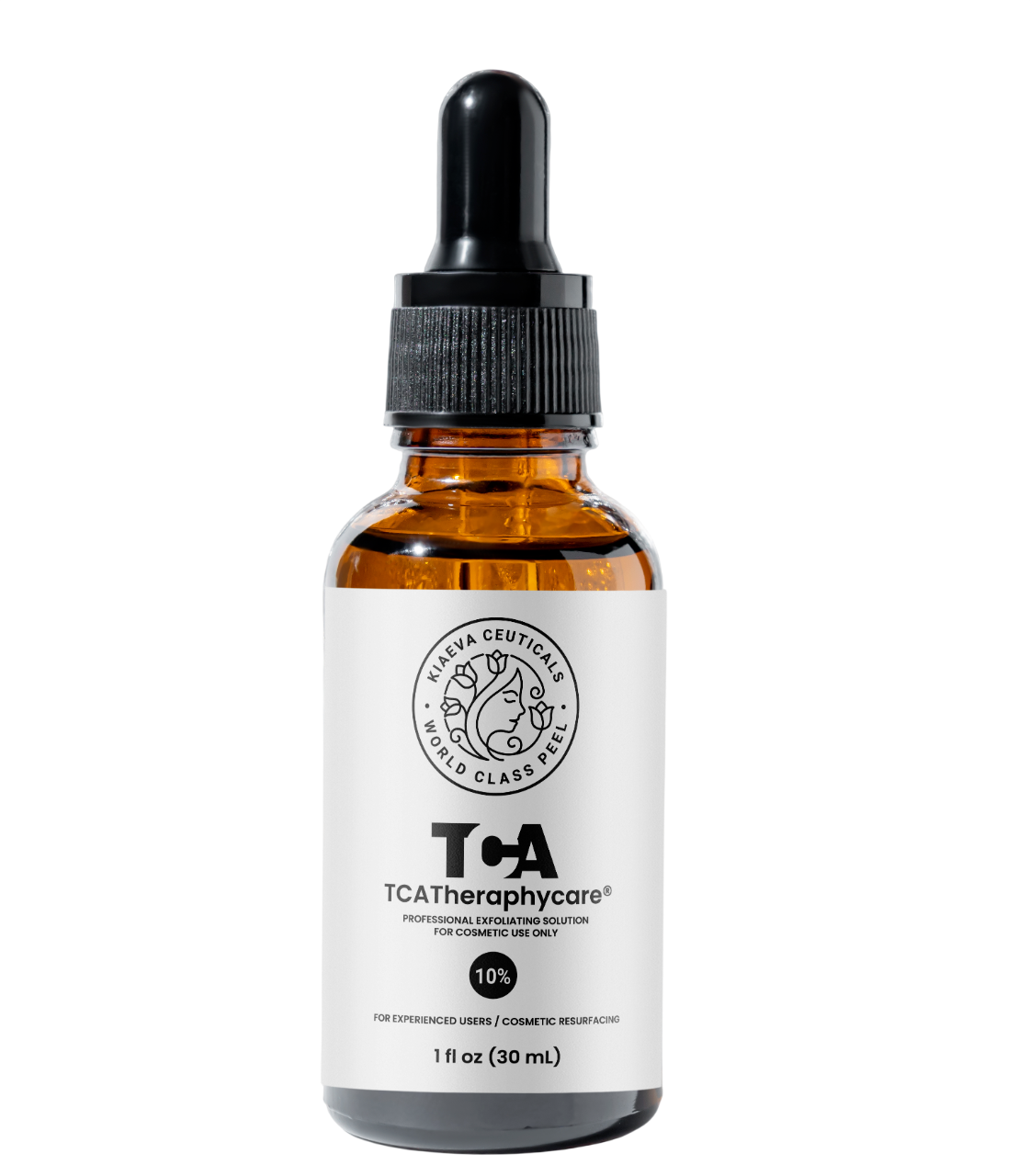
TCA Chemical Peel: Everything You Need to Know for Healthier, Smoother Skin
Healthy, glowing skin is something many people want, but acne scars, sun damage, dark spots, and fine lines can make it difficult to achieve. While skincare products can help, some skin concerns require a more advanced treatment. One of the most effective options is a TCA chemical peel.
A TCA chemical peel is a professional skin treatment that helps improve your skin by removing damaged outer layers and encouraging new, healthy skin to grow. Whether you’re looking to reduce pigmentation, smooth acne scars, or refresh tired-looking skin, this treatment can deliver noticeable results.
In this blog, we’ll explain how TCA chemical peels work, their benefits, who they are suitable for, and how to care for your skin after treatment.
What Is a TCA Chemical Peel?

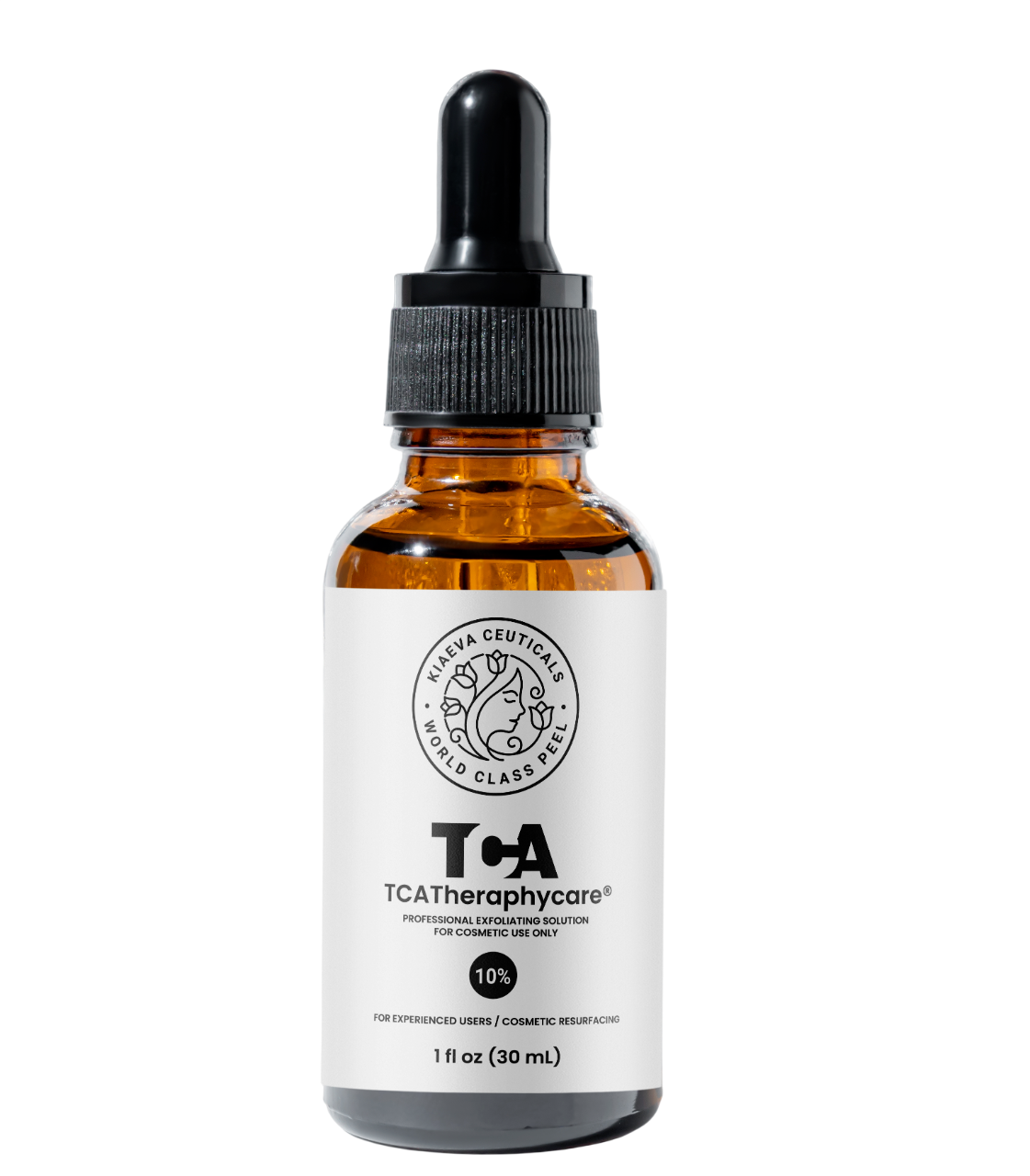
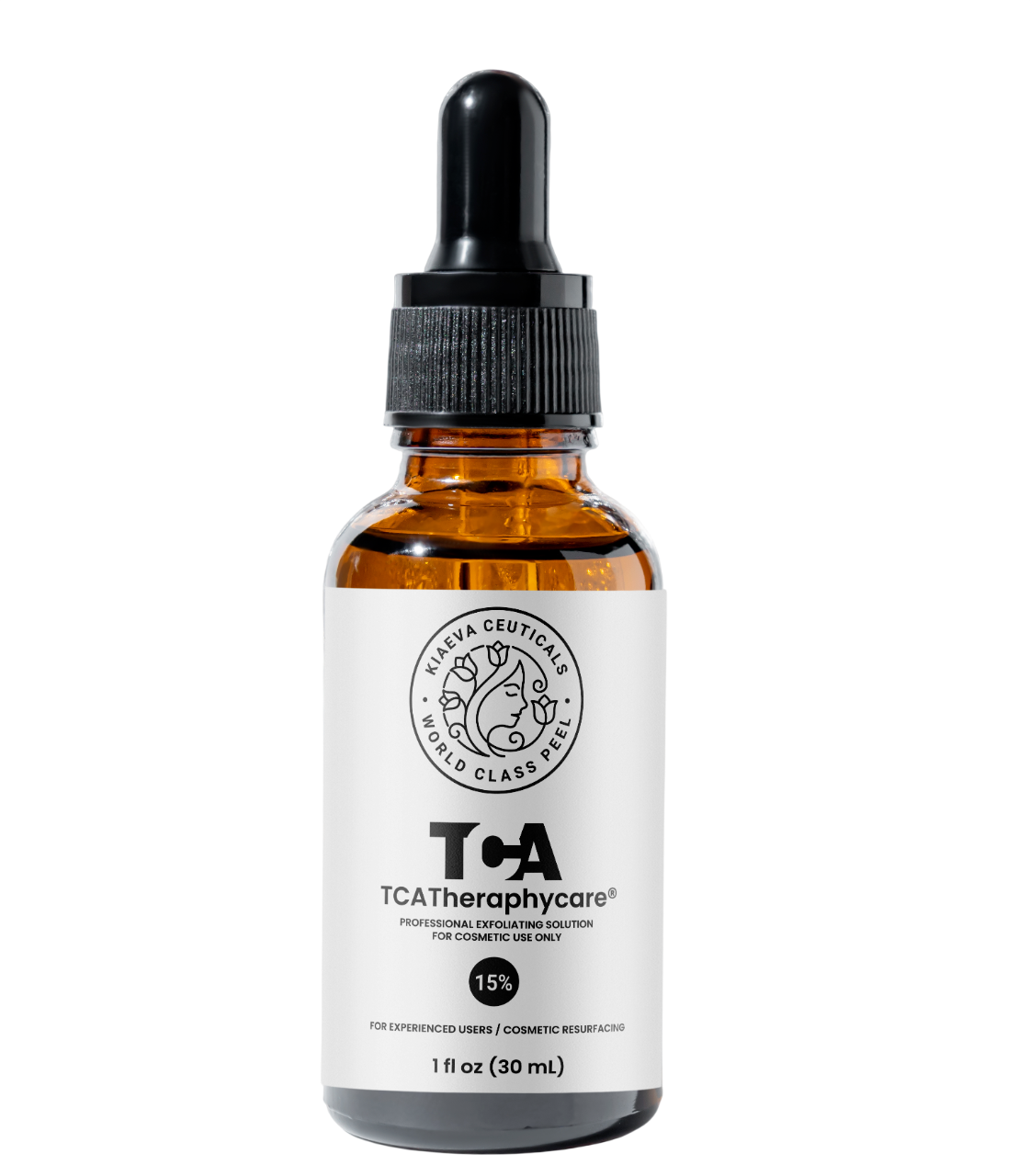
A TCA Chemical Peel is a professional cosmetic skin treatment that uses Trichloroacetic Acid (TCA) to exfoliate and renew the skin. Unlike everyday exfoliating products, this peel penetrates deeper, making it highly effective for treating moderate skin concerns such as acne scars, pigmentation, sun damage, and fine lines.
Why TCA Peels Are Effective
- Works at a deeper level than regular exfoliant
- Removes damaged outer layers of skin
- Stimulates new, healthy cell growth
- Adjustable strength based on skin type & goals
Dermatologists and skincare professionals often recommend TCA Chemical Peels because they deliver visible improvements while remaining safe and trusted when performed correctly.
How Does a TCA Chemical Peel Work?
A TCA chemical peel works by applying a carefully measured solution of trichloroacetic acid to the skin, which penetrates deeper than everyday exfoliants to remove damaged cells from the outer layer. As the old skin sheds, fresh new cells rise to the surface, leaving the complexion smoother, brighter, and more even in tone. This controlled exfoliation also stimulates collagen production, which enhances skin firmness and helps reduce the appearance of fine lines and wrinkles over time. The procedure itself is relatively quick, usually lasting about 20 to 30 minutes depending on the treatment area, making it a convenient option for those seeking noticeable improvements without lengthy downtime.
Benefits of a TCA Chemical Peel
A TCA chemical peel offers a wide range of benefits, making it a trusted treatment for people dealing with acne scars, pigmentation, fine lines, or dull skin. By working deeper than everyday exfoliants, this peel helps restore a healthier, more radiant complexion.
One of the main advantages of a TCA Peel is its ability to improve skin texture. The treatment removes rough, damaged layers and leaves the skin feeling smoother and softer. It is also highly effective in reducing acne scars, as multiple sessions can gradually fade scars and create a more even skin tone.
Another key benefit is its ability to fade pigmentation. Sunspots, age spots, and post‑acne marks become lighter as fresh, healthy skin replaces the damaged outer layer. At the same time, the peel stimulates collagen production, which helps soften fine lines and early wrinkles, giving the skin a firmer and more youthful appearance.
For those struggling with dullness, a TCA Peel can brighten tired‑looking skin by removing dead cells and revealing a fresh, radiant glow. It also helps control breakouts by clearing clogged pores and reducing excess oil, which minimizes the chances of future acne.
Overall, a TCA Chemical Peel is a versatile treatment that addresses multiple skin concerns at once, making it a popular choice for anyone seeking noticeable improvements with minimal downtime
Who Can Benefit from TCA Chemical Peels?
A TCA Chemical Peel can be an excellent option for individuals dealing with a variety of skin concerns. People with acne scars, uneven skin tone, hyperpigmentation, sun‑damaged skin, fine lines, rough texture, mild wrinkles, or a dull complexion often see noticeable improvements after treatment. Because the peel works at a deeper level than everyday exfoliants, it helps restore smoother, brighter, and healthier‑looking skin.
However, this treatment is not suitable for everyone. Individuals with active skin infections, open wounds, or certain skin conditions should avoid chemical peels until cleared by a qualified dermatologist. Consulting a skincare professional ensures the peel is tailored to your skin type and goals, making the procedure both safe and effective.
Are There Any Side Effects?
Like many professional skin treatments, a TCA Chemical Peel may cause temporary side effects as part of the normal healing process. These can include mild redness, skin peeling, tightness, dryness, and temporary sensitivity. Such effects usually improve within several days to a week, depending on the strength of the peel. When performed by a trained professional and followed with proper aftercare, the treatment remains safe and effective.
How Many Sessions Will You Need?
The number of TCA Chemical Peel sessions depends on your individual skin goals. Mild concerns such as dullness or uneven texture may improve after just one treatment. More persistent issues like acne scars and pigmentation often require between three to six sessions for noticeable results. For long‑term maintenance, many people choose to schedule a peel every few months to keep their skin healthy, radiant, and glowing. A skincare specialist can recommend the most suitable treatment plan based on your skin type and condition.
Conclusion
A TCA Chemical Peel is an effective treatment for anyone seeking smoother, brighter, and healthier‑looking skin. By encouraging natural skin renewal, it helps reduce acne scars, pigmentation, fine lines, and uneven texture, leaving the complexion refreshed and revitalized. When performed by a qualified skincare professional and paired with proper aftercare, TCA chemical peels can deliver long‑lasting improvements with minimal downtime.
If you’re looking for a treatment that rejuvenates your skin and boosts your confidence, a TCA chemical peel may be the right choice. Always consult an experienced dermatologist or skincare expert before beginning treatment to ensure it is suitable for your skin type and concerns. Investing in professional care today can help you enjoy a radiant, youthful complexion for years to come.
Frequently Asked Questions (FAQs)
Is a TCA chemical peel painful? Most people experience a mild burning or tingling sensation during the treatment, but it is usually manageable and subsides quickly.
How long does it take to recover? Recovery typically takes between five to ten days, depending on the strength of the peel and your skin’s healing process.
Can TCA chemical peels remove acne scars? Yes. TCA chemical peels are commonly used to improve the appearance of acne scars and uneven skin texture, with results becoming more noticeable after multiple sessions.
How often should I get a TCA chemical peel? Most people benefit from treatments every four to eight weeks, depending on their skin concerns and professional advice from a dermatologist or skincare specialist.
Can I wear makeup after a TCA chemical peel? It’s best to wait until your skin has healed, usually 24 to 48 hours or as advised by your skincare professional, before applying makeup.
Glycolic Acid Peel: Your Guide to Brighter Skin
Taking care of your skin is not just about appearance—it’s about health, confidence, and long‑term glow. If you’re looking for a treatment that improves dullness, reduces acne marks, and refreshes your complexion, a glycolic acid peel may be the perfect choice.
What is a Glycolic Acid Peel?
A glycolic peel is one of the most popular chemical peel treatments. Known for being gentle yet effective, it works by exfoliating the skin’s surface, removing dead cells, and stimulating cell renewal. This makes it suitable for many skin types and a go‑to option for those seeking visible results without harsh side effects.
Benefits of Glycolic Acid Peel
- Brightens dull skin
- Reduces acne scars & pigmentation
- Improves skin texture & tone
- Boosts hydration and smoothness
- Gentle enough for sensitive skin
Who Should Consider It?
A glycolic peel is ideal for:
- People with uneven skin tone
- Those struggling with acne marks or fine lines
- Anyone wanting a refreshed, radiant look
Aftercare Tips
Post‑treatment care is essential for lasting results:
- Use sunscreen daily to protect new skin cells
- Keep skin hydrated with a gentle moisturizer
- Avoid harsh scrubs or exfoliants for a few days
- Follow your dermatologist’s advice for best outcomes
What Is a Glycolic Acid Peel?

A Glycolic Acid Peel is a popular skincare treatment that uses glycolic acid to gently exfoliate and remove dead skin cells from the surface of your skin. Glycolic acid belongs to the Alpha Hydroxy Acid (AHA) family and is naturally derived from sugarcane.Because glycolic acid has very small molecules, it penetrates the skin easily. This process helps remove the damaged outer layer and stimulates the growth of new, healthy cells. The result is brighter, smoother, and more even‑toned skin.
Why Glycolic Acid Peel Is Popular
- Improves dull skin and uneven texture
- Reduces acne marks and pigmentation
- Encourages healthy cell renewal
- Gentle yet effective for many skin types
Many dermatologists and skincare professionals recommend a Glycolic Peel for people seeking noticeable skin improvement without surgery or long recovery times.
How Does a Glycolic Peel Work?
During a glycolic acid peel, a controlled amount of glycolic acid is applied to the skin for a few minutes. The acid gently loosens the bonds between dead skin cells, allowing them to shed naturally.Once the old skin is removed, fresh new cells appear on the surface. This process also stimulates collagen production, which improves skin texture, firmness, and elasticity over time.
Key Benefits of the Process
- Removes dull, damaged skin layers
- Encourages healthy cell renewal
- Boosts hydration and smoothness
- Improves elasticity with collagen stimulation
Benefits of a Glycolic Acid Peel
A Glycolic Acid Peel offers multiple skin benefits, making it a popular choice for both men and women who want healthier, glowing skin.
Brighter Skin Tone
Removes dull, damaged cells and reveals fresher, more radiant skin underneath.
Reduces Acne & Acne Marks
Helps unclog pores, minimize breakouts, and gradually fade acne scars and post‑acne pigmentation.
Improves Skin Texture
Regular treatments make rough or uneven skin softer and smoother.
Fades Dark Spots
Sun damage, age spots, and pigmentation become less visible after consistent peel sessions.
Minimizes Fine Lines
Stimulates collagen production to reduce fine lines and early signs of aging.
Clears Congested Pores
Removes excess oil and dead cells, preventing blackheads and whiteheads.
Benefits of a Glycolic Acid Peel

A Glycolic Acid Peel offers multiple skin benefits, making it a popular choice for both men and women who want healthier, glowing skin.
Brighter Skin Tone
Removes dull, damaged cells and reveals fresher, more radiant skin underneath.
Reduces Acne and Acne Marks
Helps unclog pores, minimize breakouts, and gradually fade acne scars and post‑acne pigmentation.
Improves Skin Texture
Regular treatments make rough or uneven skin softer and smoother.
Fades Dark Spots
Sun damage, age spots, and pigmentation become less visible after consistent peel sessions.
Minimizes Fine Lines
Stimulates collagen production to reduce fine lines and early signs of aging.
Clears Congested Pores
Removes excess oil and dead cells, helping prevent blackheads and whiteheads.
What Happens During the Treatment?
A Glycolic Acid Peel is a simple, quick procedure that usually involves these steps:
- Thorough cleansing of the skin
- Careful application of the glycolic acid solution
- Peel left on for a few minutes (depending on skin type)
- Neutralization and removal of the acid
- Application of a soothing moisturizer and sunscreen
Most people experience mild tingling or warmth during the peel, which fades quickly.
Aftercare Tips
Proper aftercare is essential to maximize results:
- Apply sunscreen (SPF 30+) daily
- Keep skin moisturized
- Avoid direct sunlight for a few days
- Do not scrub or pick peeling skin
- Skip harsh products like retinol or strong exfoliants for several days
- Drink plenty of water to stay hydrated
Following these steps helps your skin heal properly and maintain a healthy glow.
How Many Sessions Are Needed?
The number of treatments depends on your skin concerns:
- For brighter skin: 1–2 sessions
- For acne scars & pigmentation: 4–6 sessions
- For ongoing maintenance: every 4–6 weeks
A skincare professional can recommend the best plan for your skin type.
Are There Any Side Effects?
A Glycolic Acid Peel is generally safe when performed by a trained professional. Temporary side effects may include:
- Mild redness
- Slight peeling
- Dryness
- Temporary sensitivity
These effects usually improve within a few days. Always follow your specialist’s aftercare instructions.
Tips to Get Better Results
To maximize the benefits of your peel:
- Follow a consistent skincare routine
- Wear sunscreen daily
- Stay hydrated
- Eat a vitamin‑rich diet
- Avoid smoking
- Schedule regular maintenance treatments if advised
Healthy habits extend the results of your treatment.
Conclusion
A Glycolic Acid Peel is one of the most effective ways to refresh your skin without invasive procedures. Whether you want to reduce acne marks, brighten your complexion, smooth uneven texture, or minimize signs of aging, this treatment delivers noticeable improvements with minimal downtime.
By gently removing dead skin cells, encouraging renewal, and boosting collagen production, a professional glycolic peel helps you achieve clearer, smoother, and healthier‑looking skin. With proper aftercare and regular sessions, you can enjoy a naturally radiant complexion for years to come.
If you’re considering a glycolic acid peel, consult an experienced skincare professional to assess your skin type and recommend the most suitable treatment plan.
Frequently Asked Questions About Glycolic Acid Peel
Is a glycolic acid peel safe?
Yes, a Glycolic Acid Peel is generally safe when performed by a trained skincare professional. Mild redness or peeling may occur but usually subsides within a few days.
How often should I get a Glycolic Peel?
For brighter skin, 1–2 sessions may be enough. For acne scars or pigmentation, 4–6 sessions are often recommended. Many people choose maintenance peels every 4–6 weeks.
Can a glycolic peel help with acne scars?
Yes. Glycolic Acid Peels exfoliate the skin and stimulate cell renewal, which gradually fades acne scars and post‑acne pigmentation over multiple sessions.
Who should avoid a glycolic acid peel?
People with very sensitive skin, active infections, or certain medical conditions should consult a dermatologist before treatment. Pregnant or breastfeeding women should also seek medical advice first.
What should I avoid after a glycolic peel?
Avoid direct sunlight, harsh skincare products (like retinol or scrubs), and picking at peeling skin. Always apply sunscreen and keep your skin moisturized.
How long does recovery take?
Most people experience only mild redness or sensitivity that improves within 2–3 days. With proper aftercare, you can resume normal activities immediately.
Hello world!
Welcome to WordPress. This is your first post. Edit or delete it, then start writing!