No products in the cart.
Best Chemical Peel for Acne Scars: Top 5 Clinical Solutions
 By admin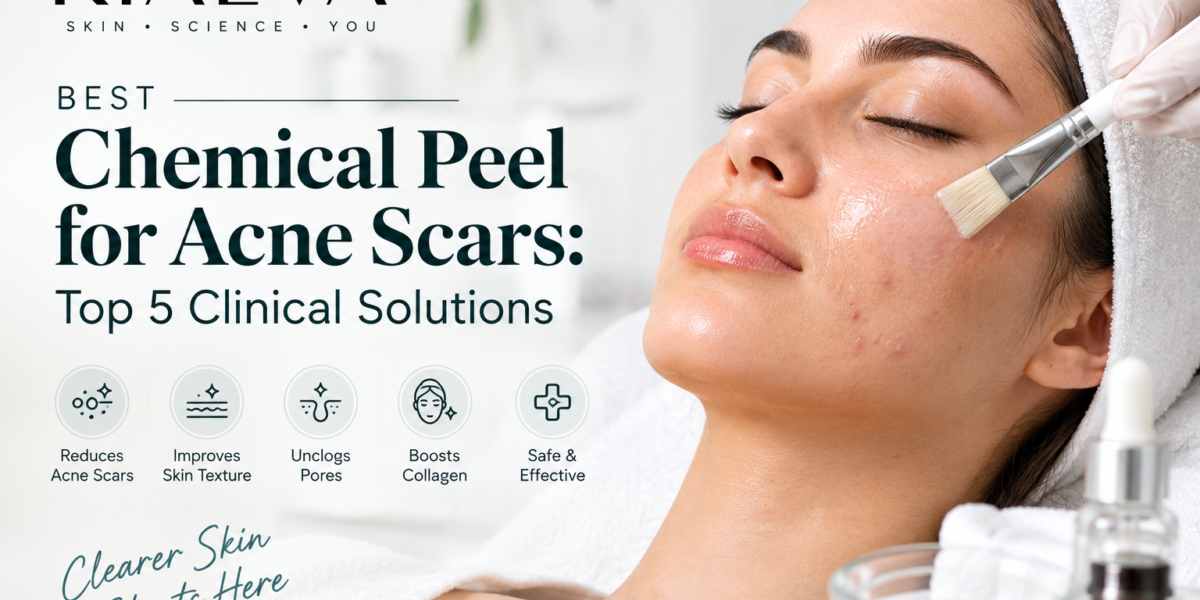
Dealing with the lingering texture and discoloration left behind by breakouts can be frustrating. Many people search for the best chemical peel for acne scars to restore smoothness and confidence. Whether you are battling shallow indentations or hyperpigmentation, finding the right exfoliation method is essential. A clinical grade chemical peel can penetrate deeper into the skin layers than standard over-the-counter scrubs, effectively breaking down damaged cells and promoting a rejuvenated surface. When used correctly, these professional-strength treatments stimulate collagen production, which is vital for filling in pits and smoothing out the skin’s overall topography.
Related: benefits of chemical peels
Related: how to use tca peel at home
Understanding Clinical Skin Resurfacing for Acne Marks
When you undergo professional skin resurfacing for acne marks, the process involves applying a solution that induces controlled injury to the epidermis. This sounds intimidating, but it is precisely this mechanism that forces the body to initiate a natural healing response. As the skin repairs itself, it replaces damaged, scarred tissue with fresh, healthy cells. Understanding your skin type is the first step in this journey, as different acids interact with melanin and texture in unique ways. Not all peels are created equal. Some are designed for superficial brightening, while others are formulated for deep structural changes. If you are looking for the strongest chemical peel for scarring, you must be prepared for longer downtime and a more rigorous post-peel recovery regimen. Always consult with a professional or strictly follow the manufacturer’s directions for any home-based clinical kit. Proper preparation, including avoiding retinoids for a few days prior, ensures the best possible results and minimizes the risk of irritation or post-inflammatory hyperpigmentation.
The Role of Salicylic Acid in Scar Management
For many, the Kiaeva salicylic acid peel is a primary choice for managing active acne while simultaneously addressing existing scars. Salicylic acid is a beta-hydroxy acid (BHA) that is oil-soluble, meaning it can travel deep into the pores to clear out debris. By keeping the follicles clean, you prevent new breakouts that could lead to further scarring. This makes it a dual-purpose tool for anyone struggling with combination skin or recurring congestion.
Why Salicylic Acid Works
Salicylic acid is highly effective because it acts as a keratolytic agent. This means it dissolves the intercellular glue that keeps dead skin cells stuck together. For acne scars, this action helps to slowly resurface the skin by removing the upper layers of dull, pigmented tissue. According to the American Academy of Dermatology, consistent professional exfoliation can significantly improve the appearance of shallow depressed scars over several months. It is less aggressive than a deep phenol peel, making it a sustainable option for regular maintenance.
Choosing the Strongest Chemical Peel for Scarring
When your goal is to address deep icepick or boxcar scars, you may need a more potent solution like Trichloroacetic Acid (TCA). TCA is widely considered the gold standard for scar revision because it can reach the dermis where collagen remodeling occurs. However, with higher potency comes a higher need for caution. You should always start with a lower concentration to see how your skin reacts before moving to a higher strength.
Comparing Different Acid Types
| Acid Type | Primary Benefit | Recommended For |
|---|---|---|
| Salicylic | Pore clearing | Active acne & mild marks |
| Glycolic | Surface brightening | Texture & tone |
| TCA | Collagen synthesis | Deep scars & pits |
| Mandelic | Gentle resurfacing | Sensitive skin |
| Jessner | Deep exfoliation | Severe scarring |
Selecting the right acid is about balancing efficacy with safety. If you are new to the Kiaeva product range, exploring their specialized formulations is a great way to start your journey toward clearer skin.
The Importance of Post-Peel Care
Post-peel care is just as critical as the treatment itself. After using a clinical grade chemical peel, your skin barrier is temporarily compromised. It is vital to avoid direct sunlight, as your skin will be highly photosensitive. Using a broad-spectrum mineral sunscreen is non-negotiable. Furthermore, keep the skin hydrated with non-comedogenic moisturizers to support the healing process and prevent excessive flaking or dryness. According to research published by the National Center for Biotechnology Information, the use of growth factors and antioxidants post-peel can significantly enhance the skin's regenerative capacity. Avoid picking at any peeling skin, as this can lead to new scarring and permanent pigment changes. Patience is your greatest asset; deep scar revision is a marathon, not a sprint.
Addressing Common Myths About Scarring
One common myth is that chemical peels remove all scars instantly. In reality, chemical peels improve the texture and depth of scars, but they do not act like an eraser. Another misconception is that you need the strongest acid available to see results. Often, a series of moderate peels will yield better results with fewer side effects than one extremely aggressive treatment. Always listen to your skin's cues. If it feels excessively raw or painful, you are likely pushing the limits of your skin's tolerance.
Integrating Peels into Your Skincare Routine
To see long-term changes, you need a structured approach. Integrating a peel into your routine should be done in phases. Start by prepping your skin with mild acids to acclimate it, then move to your chosen clinical solution on a bi-weekly or monthly basis. You can learn more about finding the right products for your specific needs by visiting our shop page. Consistency is key to maintaining your results. If you skip steps or fail to use sun protection, you risk undoing the hard work of the peel. Remember that internal health—hydration, nutrition, and stress management—also plays a massive role in how quickly your skin can repair itself after a professional-level treatment.
Conclusion
Finding the best chemical peel for acne scars is a personalized process that requires understanding your specific skin needs and the potency of the ingredients you are using. Whether you choose the deep-clearing power of the Kiaeva salicylic acid peel or the collagen-boosting potential of a TCA solution, the goal remains the same: a smoother, more refined complexion. By approaching your skin resurfacing with caution, consistency, and professional-grade products, you can effectively fade those stubborn marks and achieve the skin clarity you desire. Start your journey today, and remember that quality skincare is an investment in your long-term confidence.