
No products in the cart.
Glycolic vs. Salicylic Acid: Which Peel Fits Your Skin?
 By admin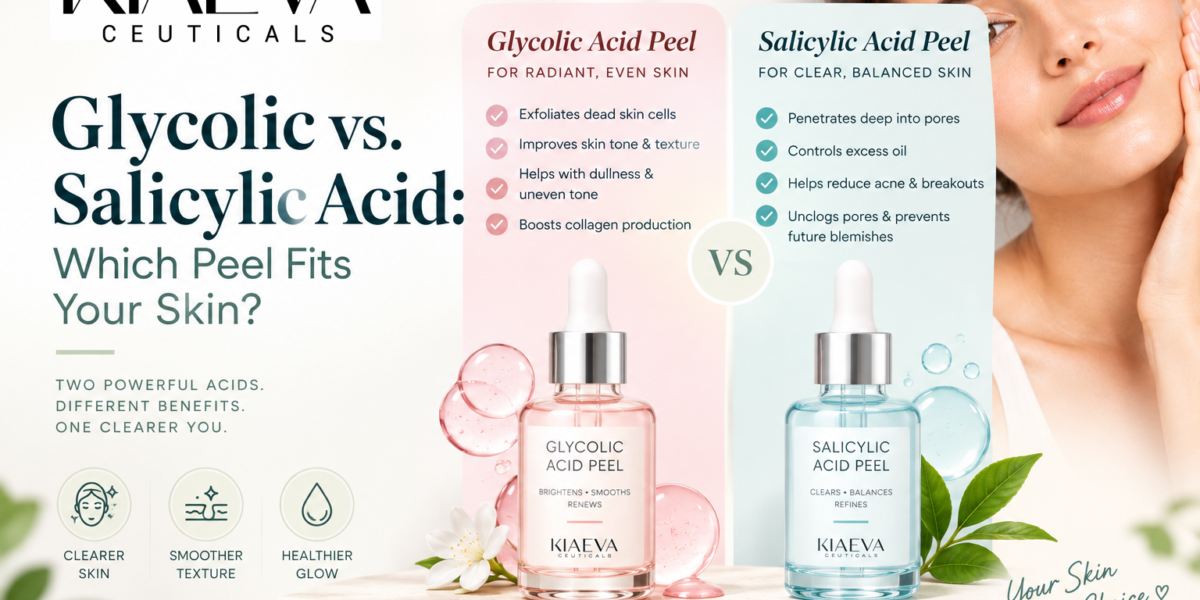
Choosing the right exfoliant can be a transformative step in your skincare journey, yet the debate of glycolic vs salicylic acid often leaves people confused. Both are powerhouse chemical exfoliants, but they work in fundamentally different ways to improve your complexion. Understanding your specific skin concerns is the key to selecting the treatment that will deliver the best results without causing irritation. Whether you are looking to address stubborn breakouts or brighten a dull complexion, knowing the strengths of these two acids is essential for building an effective routine.
Related: best chemical peel for acne scars
Understanding Glycolic Acid Benefits
Glycolic acid is a type of Alpha Hydroxy Acid (AHA) derived from sugarcane. It is highly regarded for its small molecular size, which allows it to penetrate the skin surface effectively. One of the primary glycolic acid benefits is its ability to break down the bonds between dead skin cells, encouraging faster cell turnover. This makes it an exceptional choice for those dealing with uneven skin tone, fine lines, and texture issues. By removing the dull layer of dead cells, it reveals brighter, more radiant skin underneath.
Why Glycolic Acid Works for Texture
Because it is water-soluble, glycolic acid works primarily on the surface of the epidermis. Regular use can lead to a smoother complexion and reduced appearance of hyperpigmentation. Many users find that incorporating a professional-grade peel from our shop helps maintain that healthy, youthful glow. However, because of its efficiency, it is important to start with lower concentrations to ensure your skin barrier remains intact. It is a fantastic option for those seeking a rejuvenated appearance and overall skin clarity.
The Power of Salicylic Acid for Pores
Unlike AHAs, salicylic acid is a Beta Hydroxy Acid (BHA) that is oil-soluble. This unique property makes it the gold standard for anyone struggling with congested skin. Because oil and water do not mix, traditional water-soluble acids often struggle to get deep into the follicle. Salicylic acid, however, can dissolve the sebum and debris that clog pores, making it the best acid for oily skin. It effectively penetrates deep into the pores, clearing out blackheads and preventing future breakouts from forming.
Solving Acne with BHA Treatments
If your primary concern is active acne or enlarged pores, salicylic acid should be a staple in your routine. It is anti-inflammatory, which means it helps soothe the redness associated with angry, inflamed pimples. For those new to professional treatments, using a mild BHA formula is often recommended. If you are looking for a reliable solution, you can explore our range of professional peels to find the right strength for your specific skin needs.
Comparing Key Features for Your Skin Type
To make an informed decision, it is helpful to look at how these ingredients compare side-by-side. Glycolic acid is generally preferred for dry, sun-damaged, or aging skin due to its brightening and smoothing capabilities. Salicylic acid is the clear winner for oily, acne-prone, or combination skin types. Knowing this distinction prevents the common mistake of choosing a product that may be too harsh or ineffective for your unique physiology.
| Feature | Glycolic Acid (AHA) | Salicylic Acid (BHA) |
|---|---|---|
| Solubility | Water-soluble | Oil-soluble |
| Primary Concern | Texture, aging, dullness | Acne, blackheads, pores |
| Skin Type | Dry, normal, mature | Oily, acne-prone, combination |
| Action | Surface exfoliation | Pore-deep cleaning |
Chemical Peel for Beginners: A Safe Start
If you are considering your first chemical peel for beginners, the most important rule is to prioritize safety over intensity. Regardless of whether you choose an AHA or a BHA, the goal is to improve skin health, not to cause injury. Start by performing a patch test on a small, inconspicuous area of your skin, such as behind your ear or on your inner forearm. This allows you to monitor for any adverse reactions before applying the product to your entire face.
Building Tolerance Over Time
Consistency is much more effective than intensity. You should always follow the manufacturer's instructions carefully. According to the American Academy of Dermatology, proper sun protection is non-negotiable after using chemical exfoliants, as these treatments can increase your skin's sensitivity to UV radiation. Always apply a broad-spectrum sunscreen with an SPF of 30 or higher during the day to protect your newly resurfaced skin from damage.
When to Combine or Alternate Acids
Some advanced skincare users prefer to alternate between glycolic and salicylic acid. This approach can be beneficial for combination skin, where you might have an oily T-zone but dry patches on the cheeks. By using salicylic acid on the T-zone and a gentler AHA elsewhere, you can address different needs simultaneously. However, avoid layering these acids in the same application unless you are using a professionally formulated product designed for such a purpose, as this can easily lead to over-exfoliation and irritation.
Professional Guidance and Safety
While at-home peels are convenient, it is important to remember that they are powerful chemical tools. Always look for high-quality products from reputable brands that provide clear instructions and ingredient transparency. The Food and Drug Administration provides helpful guidelines on understanding cosmetic labeling and safety. If you have chronic skin conditions like rosacea or severe eczema, it is always best to consult with a dermatologist before introducing strong acids into your regimen. A professional can assess your skin barrier and recommend the safest path forward.
Conclusion: Choosing Your Best Path
The choice between glycolic vs salicylic acid comes down to your primary skin goal. If you are aiming for a brighter, smoother complexion, glycolic acid is likely your best ally. If you are fighting oily skin and clogged pores, salicylic acid is the superior choice. By understanding these differences, you can curate a routine that addresses your specific needs while maintaining a healthy, resilient skin barrier. Remember to start slow, stay consistent, and always protect your skin from the sun. With the right approach, you can achieve professional-quality results from the comfort of your own home.