No products in the cart.
Mandelic Acid vs Lactic Acid: Choosing the Best Gentle Peel
 By admin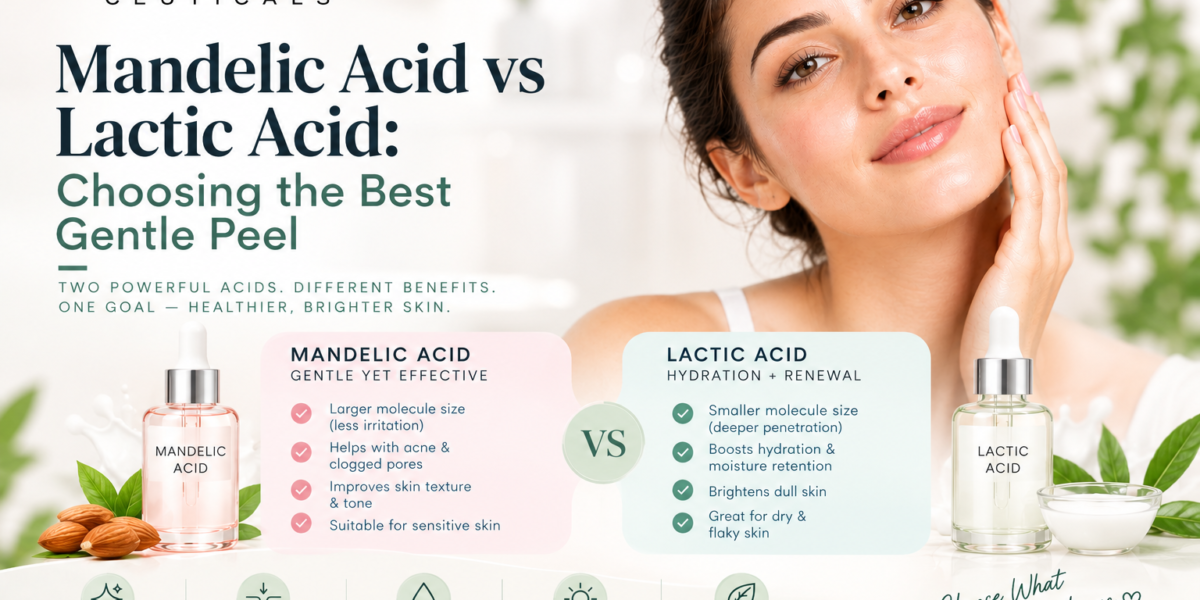
Choosing between mandelic acid vs lactic acid is a common dilemma for anyone exploring the world of at-home exfoliation. Both are powerful Alpha Hydroxy Acids (AHAs), yet they offer distinct benefits for different skin types. Understanding the nuance of these acids is essential for building a safe and effective routine. If you are looking for gentle chemical peels for sensitive skin, both options represent the gold standard in professional-grade skincare. Many enthusiasts find that these ingredients are the perfect starting point for achieving a radiant, even complexion without the irritation associated with harsher exfoliants. professional chemical peels usa
Understanding AHAs and Their Role in Skincare
Alpha Hydroxy Acids work by dissolving the bonds that hold dead skin cells to the surface. By accelerating natural cell turnover, these acids reveal the fresher, smoother skin underneath. For many, this process is the key to managing texture and dullness. Because they are water-soluble, they primarily focus on surface-level rejuvenation. This makes them ideal for those seeking brightening chemical peels that can reverse the effects of environmental stress and sun exposure.
Why Choose AHA Peels for Beginners?
If you have never used an acid treatment before, starting with a mild option is vital. Fortunately, both mandelic and lactic acid are considered AHA peels for beginners. They provide significant results without the intense downtime often linked to more aggressive procedures. When you begin your journey, it is important to patch test any product to ensure compatibility. Starting slowly allows your skin barrier to adapt, preventing redness or sensitivity while you learn how your skin reacts to specific concentrations. If you need guidance on finding the right product, you can explore the full collection of professional formulas to see which suits your current needs.
The Unique Benefits of Lactic Acid
Lactic acid is derived from milk, though modern versions are often synthetic for purity. Its primary superpower is its humectant nature, meaning it draws moisture into the skin while it exfoliates. This specific property makes it arguably the best peel for dry skin. Because it keeps the skin hydrated during the exfoliation process, it is less likely to strip the barrier than stronger alternatives like glycolic acid. Many dermatologists recommend it for those who want a glow without the tightness that often follows an exfoliation session. best chemical peel for acne scars
Improving Texture with Lactic Acid
Beyond simple exfoliation, lactic acid is effective at addressing uneven skin tone. Consistent use helps to fade superficial dark spots and improve overall luminosity. According to the American Academy of Dermatology, chemical peels can effectively treat various skin concerns when used appropriately. Lactic acid is particularly gentle, making it a reliable choice for achieving a smooth, refined texture over time. By incorporating it into a weekly routine, users often notice a significant reduction in rough patches and a more consistent complexion.
The Gentle Power of Mandelic Acid
When comparing mandelic acid vs lactic acid, mandelic acid stands out for its unique molecular structure. It has a larger molecule size, which means it penetrates the skin much slower than other AHAs. This slow, steady action significantly reduces the risk of irritation, making it a favorite for individuals with reactive or sensitive complexions. Furthermore, mandelic acid possesses natural antibacterial properties, which can be beneficial for those struggling with occasional breakouts while needing gentle exfoliation.
Why Sensitive Skin Lovers Choose Mandelic
For those who feel their skin is too sensitive for any form of exfoliation, mandelic acid is often the solution. It addresses both pigmentation and texture with incredible patience. Many professionals use it in brightening chemical peels because it inhibits melanin production, effectively targeting hyperpigmentation. Because it is so well-tolerated, it is frequently the primary choice for those with darker skin tones who must be cautious about inflammatory hyperpigmentation. By selecting a high-quality, professional-grade formula, you can ensure your skin receives the nutrients it needs to thrive. glycolic vs salicylic acid
Key Differences for Your Routine
Deciding which acid to use often comes down to your primary goal. While both are excellent, they serve slightly different purposes. Lactic acid is the hydration expert, ensuring your skin remains supple while it refreshes. Mandelic acid is the patience expert, providing a deep yet slow clean that minimizes the chance of a reaction. To ensure you are using the best products for your specific needs, always check the Kiaeva shop for professional guidance and detailed product information. Proper research helps you avoid the common pitfalls of over-exfoliation.
How to Safely Incorporate Acid Peels
Regardless of your choice, the method of application remains the same. Always start with a clean, dry face. Apply a thin layer of the peel and leave it on only for the recommended amount of time. Never leave an acid peel on longer than the instructions suggest. The National Center for Biotechnology Information provides extensive data on the safety and efficacy of superficial chemical peels when applied correctly. Always follow up with a high-quality moisturizer and, most importantly, daily broad-spectrum sunscreen. Acid-treated skin is more susceptible to UV rays, making sun protection non-negotiable for maintaining your results.
Frequently Asked Questions
Can I use both acids in the same week?
It is generally recommended to stick to one type of acid at a time, especially when you are a beginner. Over-exfoliating can damage your natural moisture barrier, leading to redness and sensitivity. Once your skin is fully adjusted, you might consider alternating, but always prioritize the health of your skin over the speed of your results.
Is mandelic acid better for acne?
Because of its inherent antibacterial properties, mandelic acid is often preferred for those who experience mild, non-cystic acne alongside sensitive skin. It helps clear pores gently without causing the inflammation that can sometimes trigger further breakouts in reactive individuals.
How often should I perform a peel?
Most experts recommend starting with a peel once every week or every two weeks. As your skin builds tolerance, you can adjust the frequency, but never exceed the usage guidelines provided by the manufacturer. Consistency and patience are the secrets to long-term skin health. jessner peel benefits
Conclusion
Choosing between mandelic acid vs lactic acid does not have to be stressful. Both are exceptional tools for anyone looking to brighten their complexion and improve skin texture. If your main concern is hydration and dry patches, lactic acid is your best partner. If you have highly sensitive skin or are prone to post-inflammatory pigmentation, mandelic acid is likely the better fit. Remember that the best results come from a consistent, long-term approach rather than quick, aggressive fixes. By listening to your skin and using professional-grade products, you can maintain a vibrant, healthy, and luminous appearance for years to come.