No products in the cart.
TCA Peel vs Glycolic Acid: Finding Your Best Skin Treatment
 By admin
Navigating the landscape of professional skin resurfacing requires a clear understanding of the modalities available. When evaluating tca peel vs glycolic acid, you are comparing two distinct chemical approaches to skin rejuvenation. Both treatments offer proven pathways to a refined complexion, yet they operate on different biological levels. By aligning the chemical properties of these acids with your specific skin concerns, you can make an informed decision that yields professional-grade results. Explore our professional range of peels to identify the formulations best suited to your current skincare objectives.
Understanding Glycolic Acid Results
Glycolic acid, a prominent member of the alpha-hydroxy acid (AHA) family derived from sugar cane, is the industry standard for superficial exfoliation. Due to its small molecular size, it possesses the unique ability to rapidly penetrate the stratum corneum, effectively dissolving the intracellular bonds that hold dead skin cells together.
This process facilitates an immediate improvement in surface radiance. Glycolic acid is highly regarded for its efficacy in addressing:
- Dullness and lack of luminosity
- Mild photodamage
- Uneven skin texture
- Congested or enlarged pores
As a versatile exfoliant, glycolic acid is frequently recommended as an entry point for those beginning their journey with professional-grade chemical peels.
Why People Choose Glycolic Peels
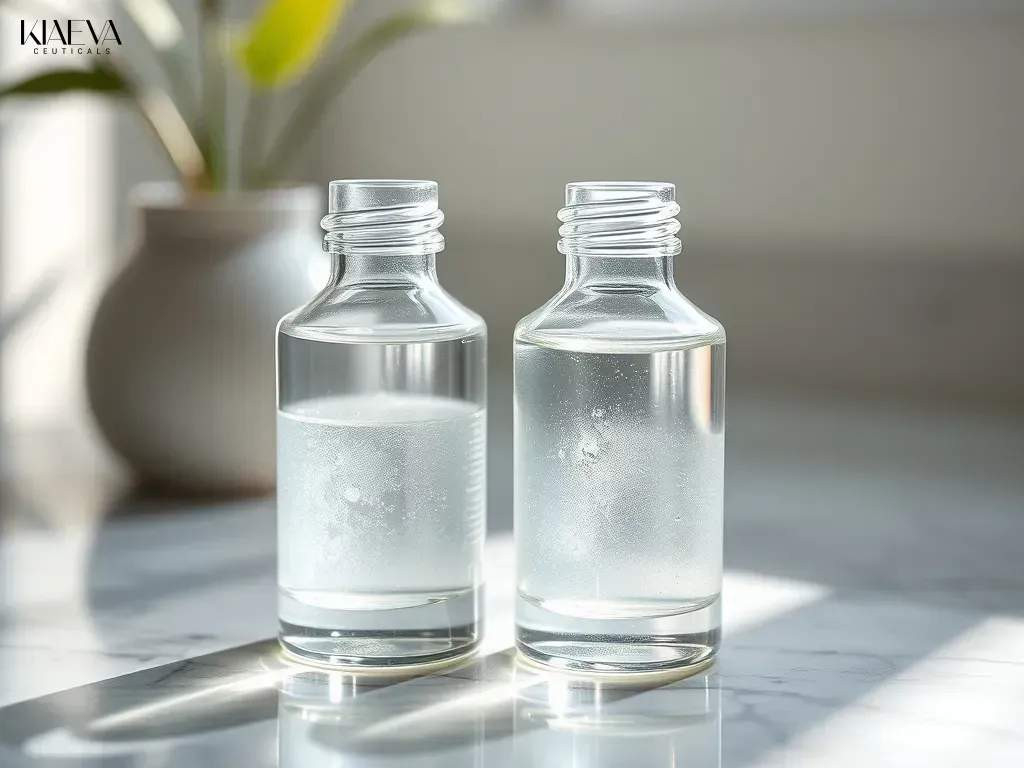
The primary advantage of a glycolic peel is its ability to deliver significant brightening effects with minimal downtime. It promotes accelerated cellular turnover without the intensive recovery period required by deeper modalities. According to the American Academy of Dermatology, these superficial peels are effective for managing mild acne and fine lines. By removing surface debris, these peels enhance the penetration of subsequent hydrating serums and anti-aging topicals, making them an essential component of a high-performance maintenance routine.
Exploring TCA Peel Benefits
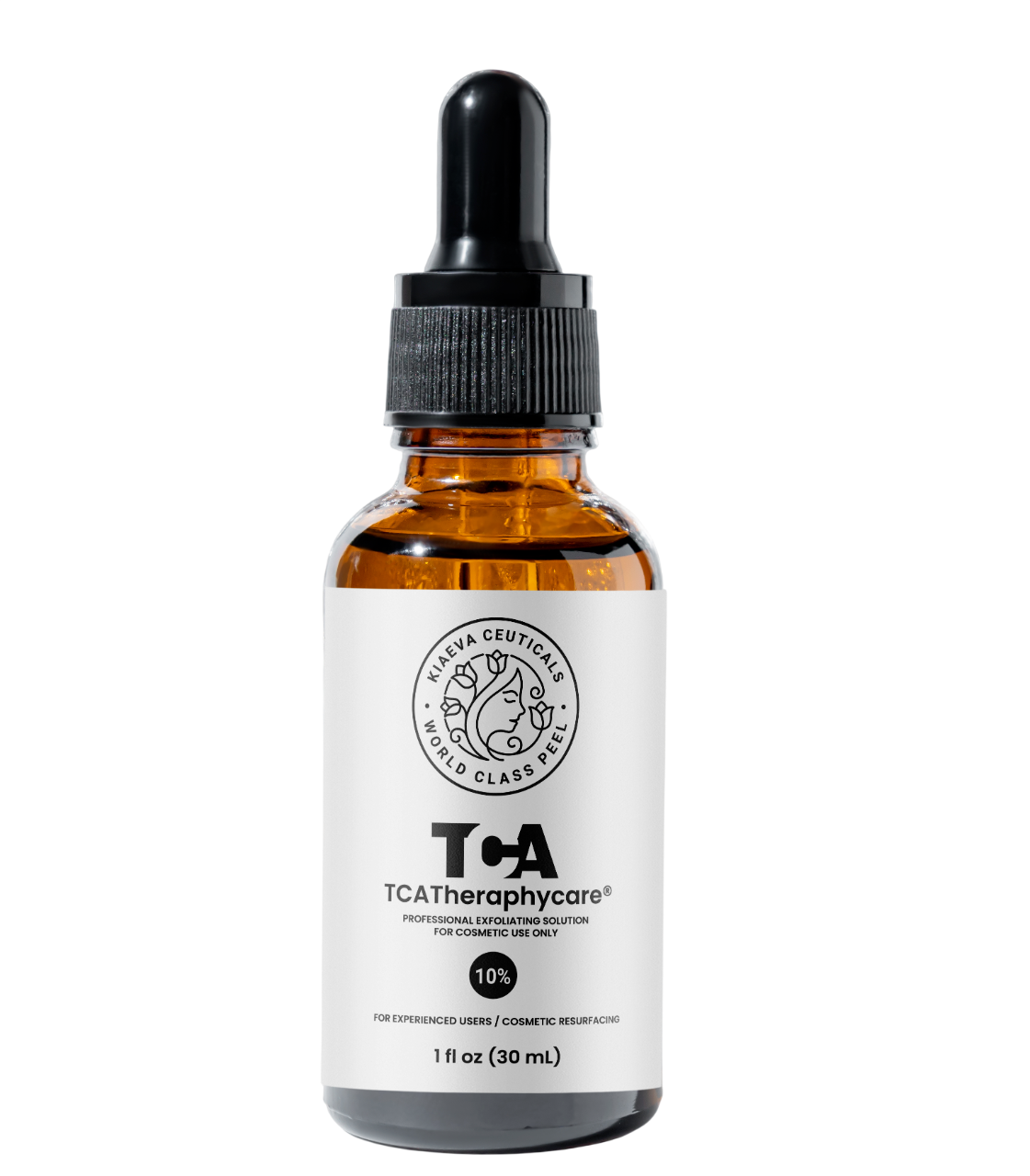
Trichloroacetic acid (TCA) functions as a medium-depth chemical peel, providing a more intensive approach to skin remodeling. Unlike superficial acids, TCA interacts with the deeper protein layers of the epidermis and papillary dermis, triggering a robust regenerative response.
The primary TCA peel benefits include:
- Correction of deep-set wrinkles and fine lines
- Improvement of atrophic acne scarring
- Correction of stubborn hyperpigmentation
- Enhanced skin firmness and structural density
Because TCA induces a more significant biological change, it necessitates a longer recovery period during which the skin undergoes a controlled shedding process. When administered with proper preparation and aftercare, it remains a gold standard for addressing moderate-to-severe skin damage.
Chemical Peel Comparison and Anti-Aging Goals
When choosing between these treatments, your aesthetic objective is the deciding factor. Glycolic acid is the superior choice for surface-level brightening and maintenance. In contrast, TCA is the preferred treatment for structural anti-aging and correcting significant cellular damage.
TCA stimulates collagen synthesis, which is critical for restoring the elasticity and thickness often lost during the aging process. The National Center for Biotechnology Information underscores that chemical peels are a foundational element of long-term skin rejuvenation. Selecting the “best” peel for anti-aging requires a professional assessment of your skin barrier and the depth of the concerns you wish to address.
Factors Influencing Your Choice
The decision-making process should be dictated by your skin type, your tolerance for recovery, and your clinical goals.
| Feature | Glycolic Acid | TCA Peel |
|---|---|---|
| Depth | Superficial | Medium |
| Primary Goal | Brightening & Texture | Resurfacing & Remodeling |
| Downtime | Minimal | Moderate (Flaking/Peeling) |
| Best For | Maintenance & Dullness | Scarring & Deep Wrinkles |
If you are new to professional peels, beginning with a lower concentration of glycolic acid is advisable. Conversely, if your skin has plateaued with lighter treatments, moving to a TCA regimen may provide the breakthrough necessary for visible improvement. Regardless of your choice, rigorous UV protection is non-negotiable; post-peel skin is highly susceptible to solar damage, and daily broad-spectrum sunscreen is mandatory.
Managing Expectations and Recovery
Strategic recovery management is essential. A glycolic peel may present mild, transient redness that resolves within hours. A TCA peel, however, involves a period of visible peeling as the skin initiates its renewal cycle.
During the recovery phase, prioritize a minimalist skincare approach:
- Utilize gentle, non-irritating cleansers.
- Maintain deep hydration with barrier-repairing moisturizers.
- Discontinue the use of retinoids and harsh exfoliants until the skin has fully re-epithelialized.
Adhering to these protocols ensures optimal results and minimizes the risk of irritation or post-inflammatory hyperpigmentation.
Conclusion and Professional Guidance
Achieving professional-grade results requires a discerning approach to your specific skin requirements. Whether you utilize the immediate brightening power of glycolic acid or the structural, corrective potential of a TCA peel, both represent effective tools for long-term skin health. By understanding the nuances of intensity and recovery, you can tailor a regimen that meets your aesthetic goals with precision. Select your treatment with confidence, prioritize consistency, and always listen to your skin’s unique feedback.